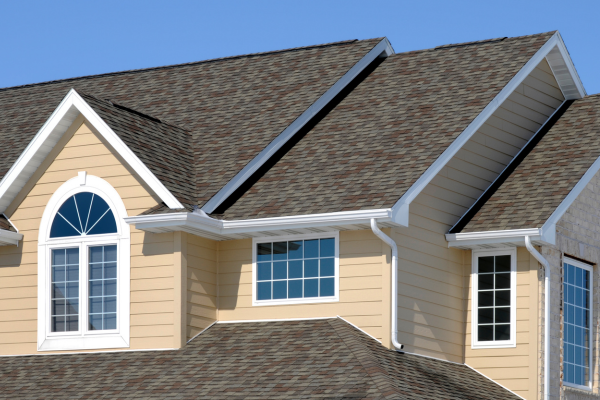
What Belleview and Summerfield Homeowners Wish They Knew Before Installing Vinyl Siding
Vinyl siding is one of the smartest exterior upgrades a homeowner in Belleview or Summerfield can make. It delivers fresh curb appeal, strong weather protection, and virtually zero repainting for decades. But the homeowners who get the best results are the ones who go into the project informed and prepared.
Too many homeowners learn critical lessons the hard way, after the installation is complete and problems begin to surface. Wrong color choices that looked great on a sample but washed out on the house. Panels that buckled within months because of improper fastening. Moisture issues caused by skipped flashing. Trim details that were rushed, leaving the final result looking unfinished.
This guide shares the real-world insights that Belleview and Summerfield homeowners wish someone had told them before they started.
Why Vinyl Siding Is So Popular in Belleview and Summerfield
Both communities feature a mix of block construction homes, wood frame houses, and manufactured homes that benefit enormously from vinyl siding installation or replacement.
Eliminates the Endless Repainting Cycle
Florida’s intense UV exposure, humidity, and driving rain break down exterior paint rapidly. Many Belleview and Summerfield homeowners find themselves repainting every three to five years, spending thousands of dollars each time. Quality vinyl siding holds its color without painting, power washing aside, for 20 years or more.
Handles Florida Weather Without Constant Maintenance
Vinyl siding resists moisture, does not rot like wood, and flexes with thermal expansion instead of cracking like stucco. In Central Florida’s demanding climate, this low-maintenance durability is a massive practical advantage for homeowners who want their exterior to look great without constant upkeep.
Affordable Compared to Other Exterior Cladding Options
Vinyl siding costs significantly less than fiber cement, natural wood, or engineered wood siding while delivering competitive performance in Florida’s environment. For budget-conscious homeowners in Belleview and Summerfield, vinyl provides the best balance of appearance, protection, and value.
Lesson #1: Color Selection Looks Completely Different on a Full House
The number one regret homeowners express after siding installation is choosing a color based solely on a small sample chip. Colors look dramatically different when they cover an entire home’s exterior. Light conditions, surrounding landscape, roof color, and trim contrast all affect how the final result appears.
Request the largest sample panel available and view it against your home’s exterior at different times of day. Morning light, midday sun, and overcast conditions all change the appearance significantly. Drive through neighborhoods in Belleview and Summerfield to observe how different siding colors look on completed homes in real-world conditions.
Lesson #2: Proper Installation Technique Matters More Than the Siding Itself
The most expensive, highest quality vinyl siding on the market will fail if it is installed incorrectly. Florida’s extreme heat causes vinyl to expand and contract significantly throughout the day. If panels are nailed too tightly, they cannot move freely and will buckle, warp, or crack.
Fastening Must Allow Thermal Movement
Every panel must be hung, not pinned. Nails should be driven to leave a small gap between the nail head and the siding surface, allowing the panel to slide freely on the nail slot as temperatures change. Contractors who drive nails flush against the panel create a system that is guaranteed to buckle in the Florida heat.
Expansion Gaps Are Not Optional
Proper expansion gaps must be left at every termination point, including corners, J channels, utility blocks, and window and door trim. These gaps accommodate the natural expansion of vinyl during the hottest hours of the day. Skipping or undersizing these gaps leads to panels pushing against trim, bowing outward, and creating visible distortion across the wall.
Lesson #3: Flashing and Moisture Management Cannot Be Skipped
Vinyl siding is designed to be a water-shedding system, not a waterproof barrier. Water that gets behind the panels must be able to drain downward and exit at the bottom of the wall. Flashing around windows, doors, penetrations, and wall transitions directs water away from vulnerable areas and prevents it from reaching the sheathing and framing behind the siding.
Contractors who skip flashing or use incorrect flashing techniques create conditions for hidden moisture damage, mold growth, and wood rot that remain invisible behind the beautiful new siding until the damage becomes catastrophic.
Lesson #4: Trim and Finishing Details Define the Final Result
The difference between a siding job that looks professional and one that looks amateur almost always comes down to trim work. Clean, straight J channel installation around windows and doors. Tight, consistent corners without gaps or misalignment. Smooth transitions at soffit lines and wall intersections. Properly fitted utility trim at the top of the walls.
When trim details are rushed or poorly executed, the overall appearance suffers dramatically, even if the field panels are installed perfectly. Always evaluate a contractor’s finished trim work on previous projects before hiring.
Lesson #5: Combining Siding With Soffit, Fascia, and Gutters Maximizes Value
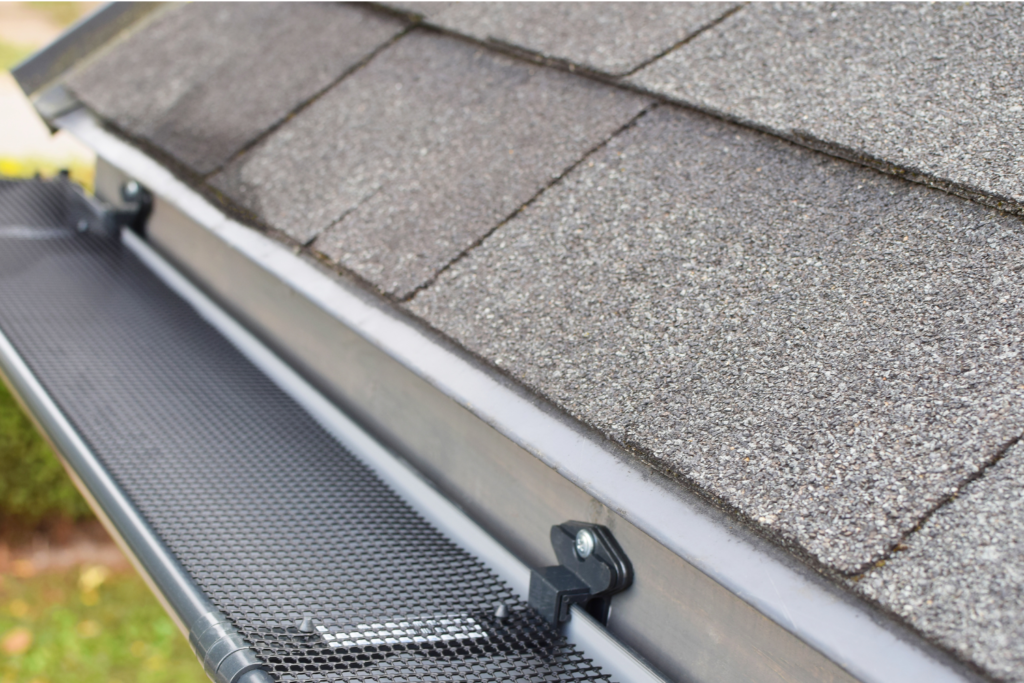
Homeowners who coordinate their siding installation with soffit, fascia, and gutter work achieve the best visual and functional results. Matching colors and materials across all exterior components creates a unified, polished appearance. Having one contractor handle all of these elements ensures proper integration between systems and eliminates the finger-pointing that occurs when multiple contractors work on interconnected components.