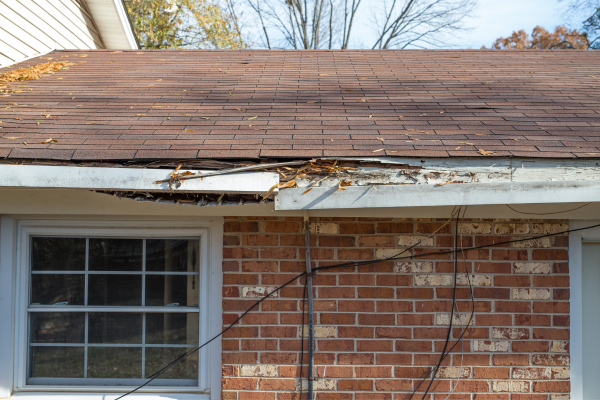
How Rotting Soffit and Fascia Are Quietly Destroying Homes in Leesburg and Tavares
There is a silent crisis happening on rooflines across Leesburg and Tavares, FL. It does not announce itself with a dramatic leak or a sudden collapse. Instead, it works slowly and invisibly, eating away at your home’s most vulnerable exterior components until the damage becomes severe, expensive, and impossible to ignore.
Rotting soffit and fascia affect thousands of Central Florida homes every year, and most homeowners have no idea the problem exists until a contractor points it out during an unrelated project. By that time, the rot has often spread far beyond what is visible, compromising structural integrity, inviting pests, and creating conditions for mold growth inside your attic space.
Understanding what causes soffit and fascia deterioration, how to spot the early warning signs, and why timely repair is critical can save your Leesburg or Tavares home from thousands of dollars in cascading damage.
What Soffit and Fascia Actually Do for Your Home
Most homeowners walk past their soffit and fascia every day without giving these components a second thought. But these two elements play essential roles in your home’s protection and performance.
Fascia: The First Line of Defense at Your Roof Edge
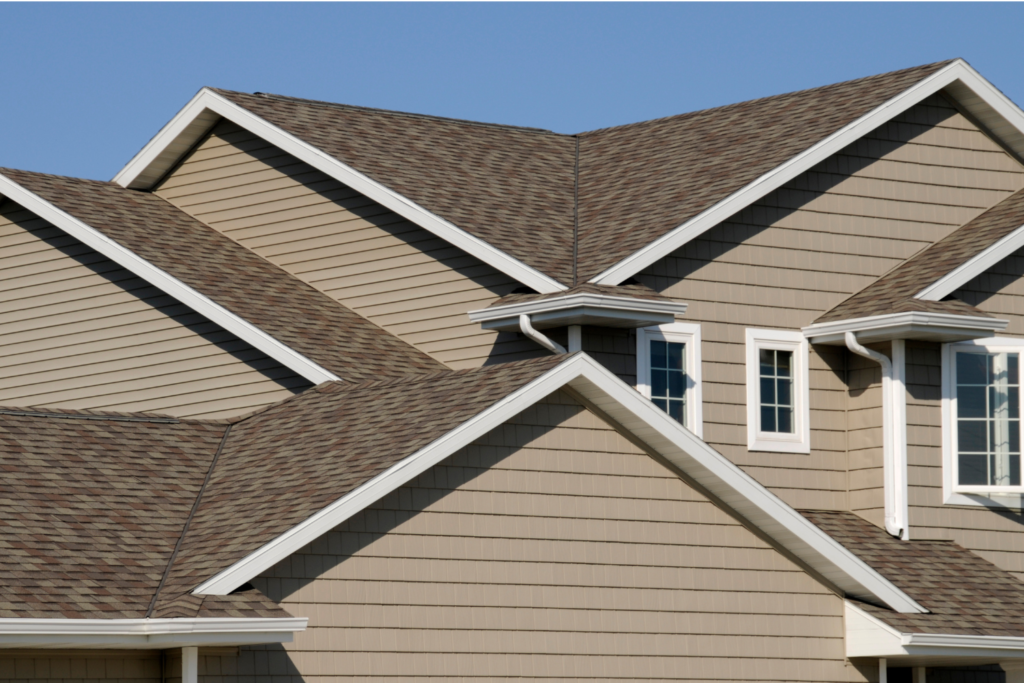
Fascia is the vertical board that runs along the lower edge of your roofline, covering the ends of your roof rafters and providing the mounting surface for your gutter system. It creates the clean, finished edge you see when you look up at your roofline from the ground. Fascia also serves as a critical barrier that prevents water, pests, and debris from entering the space behind your gutters and under your roof decking.
Soffit: Your Roof System’s Breathing Mechanism
Soffit is the horizontal panel that covers the underside of your roof overhang, connecting the edge of the roof to the exterior wall of your home. Beyond its aesthetic function, the soffit plays a vital role in attic ventilation. Vented soffit panels allow fresh air to enter the attic space from below, which rises and exits through ridge vents or roof vents. This continuous airflow regulates temperature and moisture levels inside your attic, preventing heat buildup and condensation that damage roof decking and insulation.
Why Leesburg and Tavares Homes Are Especially Vulnerable
Leesburg and Tavares sit along the shores of the Harris Chain of Lakes in Lake County, FL. This lakeside location creates environmental conditions that accelerate soffit and fascia deterioration beyond what inland properties experience.
Elevated Humidity From Surrounding Water Bodies
Proximity to Lake Harris, Lake Eustis, Lake Dora, and the surrounding chain means ambient humidity levels in Leesburg and Tavares remain consistently higher than those in communities further from open water. This persistent moisture in the air keeps exterior wood and substrate materials damp for longer periods, creating ideal conditions for rot, mold, and fungal growth.
Heavy Seasonal Rainfall and Gutter Overflow
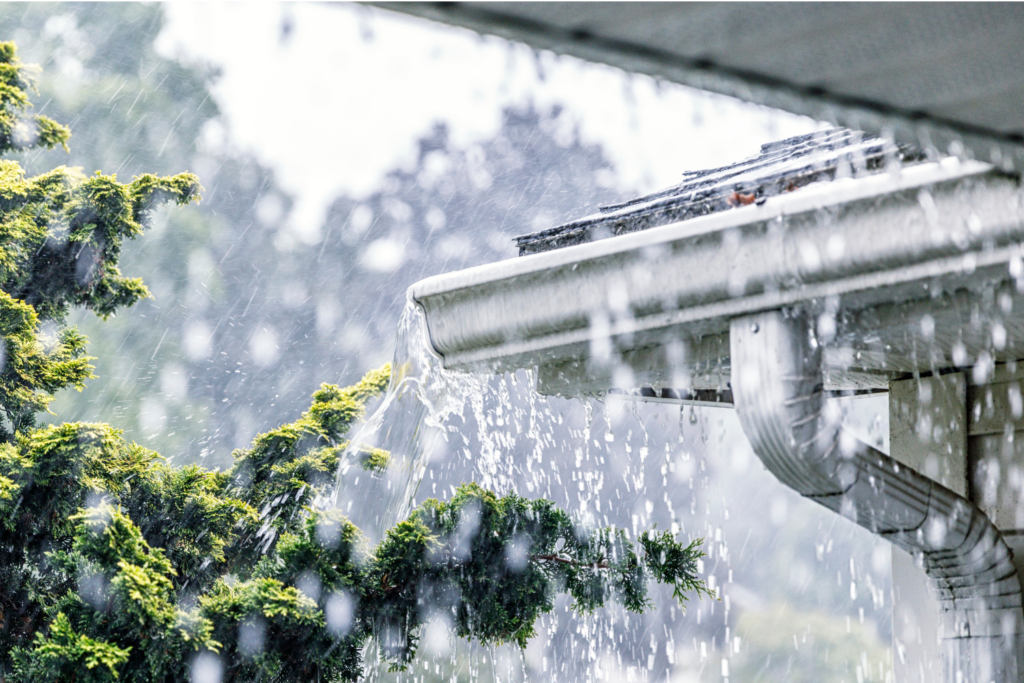
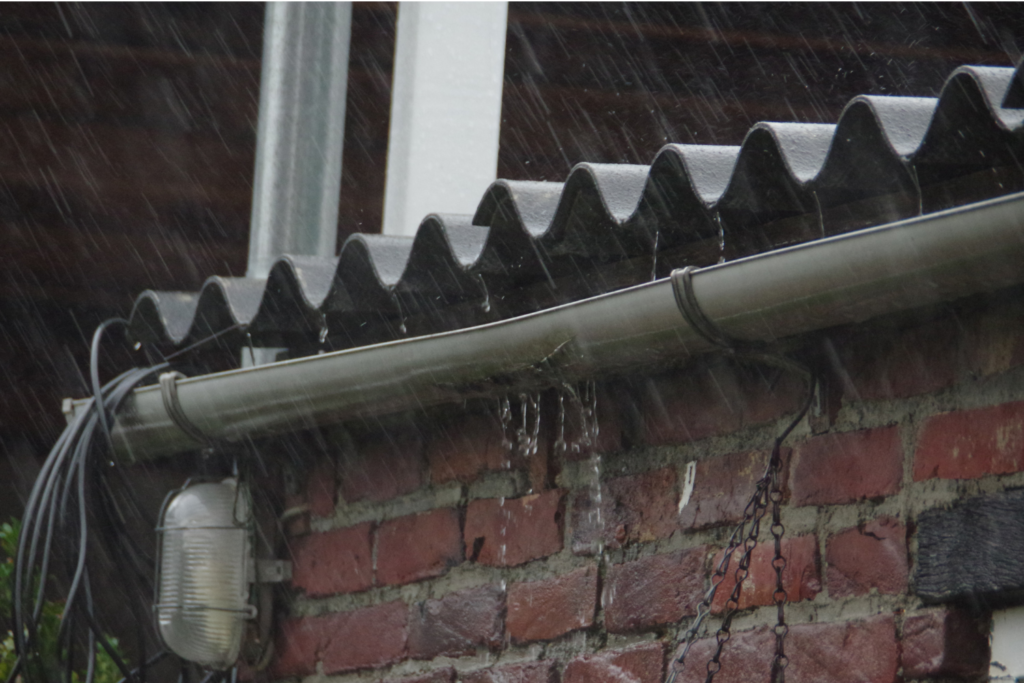
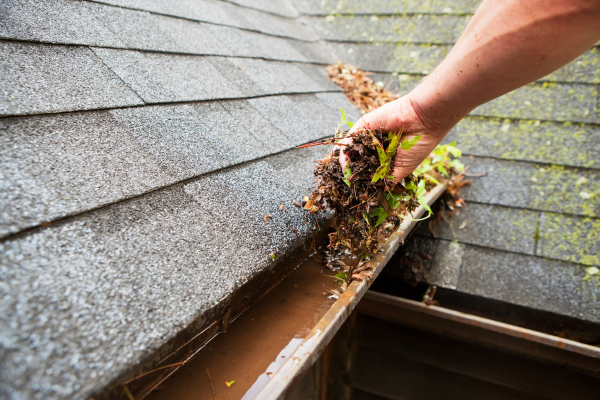
During Central Florida’s rainy season, Leesburg and Tavares receive intense, sustained rainfall that tests every gutter system. When gutters clog, overflow, or develop leaks at seams, water cascades directly over the fascia board and splashes against the soffit panels. Repeated exposure to this overflow saturates the materials, accelerating rot from the outside in.
Intense UV and Heat Cycling
Florida’s powerful sun breaks down paint, sealants, and protective coatings on fascia and soffit surfaces over time. As coatings fail, raw wood or exposed substrate absorbs moisture more readily, compounding the deterioration caused by humidity and rain.
The Warning Signs Every Homeowner Should Watch For
Soffit and fascia damage progresses through recognizable stages. Catching problems early dramatically reduces repair costs and prevents secondary damage to other systems.
- Peeling or bubbling paint on the fascia board indicates moisture is penetrating from behind the paint film. This is often the earliest visible sign that water intrusion has begun.
- Soft or spongy spots when you press on the fascia or soffit material indicate active rot beneath the surface. By the time the material feels soft to the touch, deterioration is already advanced.
- Visible dark stains or discoloration on soffit panels, especially near gutter lines, signal moisture saturation and possible mold growth.
- Sagging or warped soffit panels indicate that the substrate has absorbed enough moisture to lose structural rigidity. Sagging soffit often precedes complete panel failure.
- Pest activity, including wasps, birds, squirrels, and rodents entering the roofline area, suggests gaps or holes in deteriorated soffit or fascia that now provide entry points into your attic.
- Gutter pulling away from the roofline is frequently caused by fascia rot. As the fascia weakens, it can no longer support the weight of the gutter system, causing sections to sag or detach.
The Danger of Ignoring Damaged Soffit and Fascia
When soffit and fascia damage go unaddressed, the consequences escalate rapidly.
Compromised fascia weakens gutter attachment, leading to gutter failure, uncontrolled water runoff, foundation erosion, and landscaping damage. Damaged soffit disrupts attic ventilation, trapping heat and moisture that degrade roof decking, reduce insulation effectiveness, and increase cooling costs. Gaps created by rot allow pests to colonize your attic, creating sanitation and structural issues. Persistent moisture promotes mold growth that can spread into living spaces and create health concerns.
What begins as a small area of damaged fascia can cascade into a multi-system failure involving gutters, roofing, insulation, and even interior finishes.
Professional Repair Restores Protection and Appearance
Professional soffit and fascia repair involves removing all damaged sections, inspecting the underlying structure for secondary damage, addressing the root cause of moisture intrusion, and installing new materials that restore full protection and a clean, finished appearance.
Vinyl and aluminum soffit and fascia are popular replacement options in Leesburg and Tavares because they resist moisture, require minimal maintenance, and hold up well in Florida’s climate. When combined with gutter repair or replacement, new soffit and fascia create a complete, integrated roofline system that protects your home for years to come.