Why Smart Central Florida Homeowners Are Choosing Vinyl Siding Over Repainting
Every three to five years, the same frustrating cycle begins for thousands of homeowners across Lake County, Sumter County, and Marion County. The exterior paint starts fading. Cracks appear along stucco joints. Mildew creeps across shaded walls. And suddenly, another $5,000 to $12,000 repainting project lands on the to-do list.
For decades, repainting was the only realistic option for refreshing a home’s exterior and keeping up curb appeal. But Central Florida homeowners are rapidly discovering that vinyl siding offers a smarter, longer-lasting, and more cost-effective alternative that eliminates the repainting cycle.
If you are considering your next exterior renovation in Leesburg, Tavares, Clermont, Eustis, Mount Dora, or The Villages, understanding why vinyl siding outperforms traditional paint in Florida’s demanding climate could save you significant money and frustration over the life of your home.
The Real Cost of Repainting in Central Florida’s Climate
Florida’s climate is uniquely harsh on exterior paint. The intense UV radiation breaks down paint molecules at an accelerated rate compared to northern states. Afternoon humidity and daily temperature swings cause surfaces to expand and contract, leading to cracking and peeling. Summer rain drives moisture into every imperfection, and mold and mildew thrive year-round in the warm, damp conditions.
The result is that a professional exterior paint job in Central Florida rarely lasts longer than five years before noticeable degradation begins. Many homeowners find themselves needing touch-ups within three years and a full repaint by year six or seven.
Over 20 years, a homeowner repainting every five years will spend between $20,000 and $48,000 or more on labor, materials, pressure washing, and preparation work. That is a staggering amount of money spent simply maintaining the same appearance.
How Vinyl Siding Solves the Repainting Problem Permanently
Engineered to Resist Florida’s Toughest Conditions
Modern vinyl siding is manufactured with UV stabilizers that prevent fading, even under Florida’s relentless sun. It does not crack, peel, blister, or rot the way painted surfaces do. And because the color is integrated throughout the material rather than applied to the surface, minor scratches or scuffs do not reveal a different color underneath.
Virtually Maintenance Free Year After Year
Once installed, vinyl siding requires nothing more than an occasional rinse with a garden hose to remove dust and pollen. There is no scraping, priming, or recoating. There are no ladders, no painters, and no week-long disruptions to your daily routine. For busy homeowners and retirees in communities like The Villages, this convenience is a game-changer.
Moisture Resistant and Mold Deterrent
Unlike wood and stucco, vinyl siding does not absorb water. This eliminates the moisture retention that fuels mold, mildew, and rot on traditional exterior surfaces. In a state where humidity regularly exceeds 80 percent, this moisture resistance is a critical advantage that protects both the appearance and structural health of your home.
Vinyl Siding Boosts Curb Appeal and Home Value
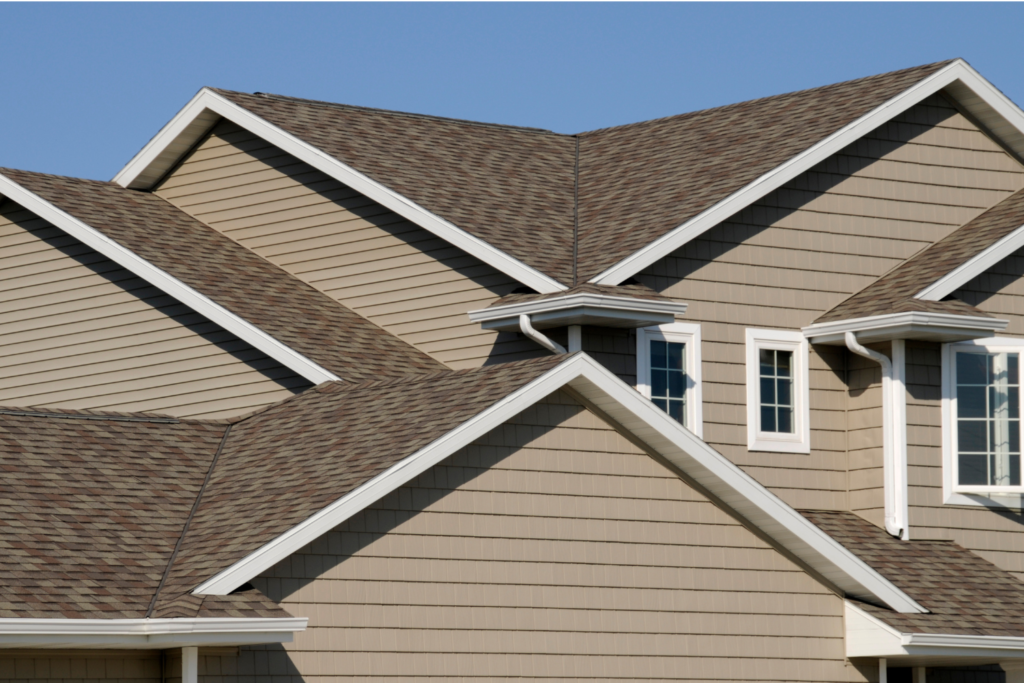
A fresh vinyl siding installation transforms the look of a home immediately. Today’s vinyl siding options come in a wide range of styles, textures, and colors, including profiles that replicate the appearance of wood clapboard, cedar shake, and board and batten designs.
Real estate professionals consistently rank exterior upgrades among the highest return on investment improvements a homeowner can make. Homes with clean, modern siding attract more buyer interest, photograph better for online listings, and appraise higher than homes with aging, weathered, or visibly repainted exteriors.
For homeowners in Central Florida’s active real estate markets, upgrading to vinyl siding is not just a maintenance decision. It is a strategic investment in your property’s long-term value.
Professional Installation Makes All the Difference
Vinyl siding performance depends entirely on proper installation. Panels must be hung with the correct tolerances for thermal expansion. Flashing, trim, and transitions around windows and doors must be sealed precisely to prevent moisture intrusion behind the panels. Improper installation leads to warping, buckling, and trapped moisture that can cause hidden damage.