Why Lady Lake Homes Keep Developing Gutter Leaks Every Rainy Season
A Lady Lake homeowner seals a dripping gutter corner in May, and by August the same joint is leaking again. This pattern repeats across the community every year, and it is not bad luck or poor craftsmanship. Central Florida’s climate works against gutter sealant in ways homeowners rarely see until the drip returns. Understanding why leaks keep coming back is the first step toward a gutter system that finally makes it through a full rainy season dry.
The Rainy Season Cycle That Wears Out Rain Gutters in Florida Homes
Florida homes live through a cycle few other states experience. Months of dry heat bake the sealant inside every gutter joint. Then the rainy season arrives, and daily downpours hammer the same seams with water, debris, and thermal shock. Each cycle expands and contracts the metal, and every expansion works the sealant a little looser. A joint that held for years can start weeping in a single season.
How Heavy Rain Turns a Small Drip Into a Gutter Problem
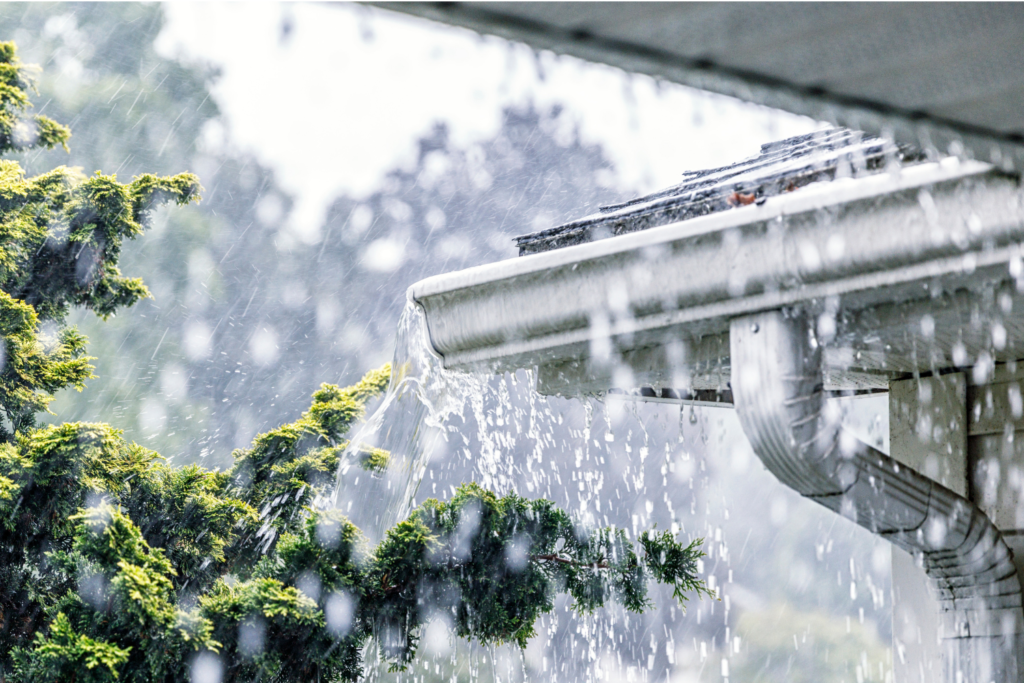
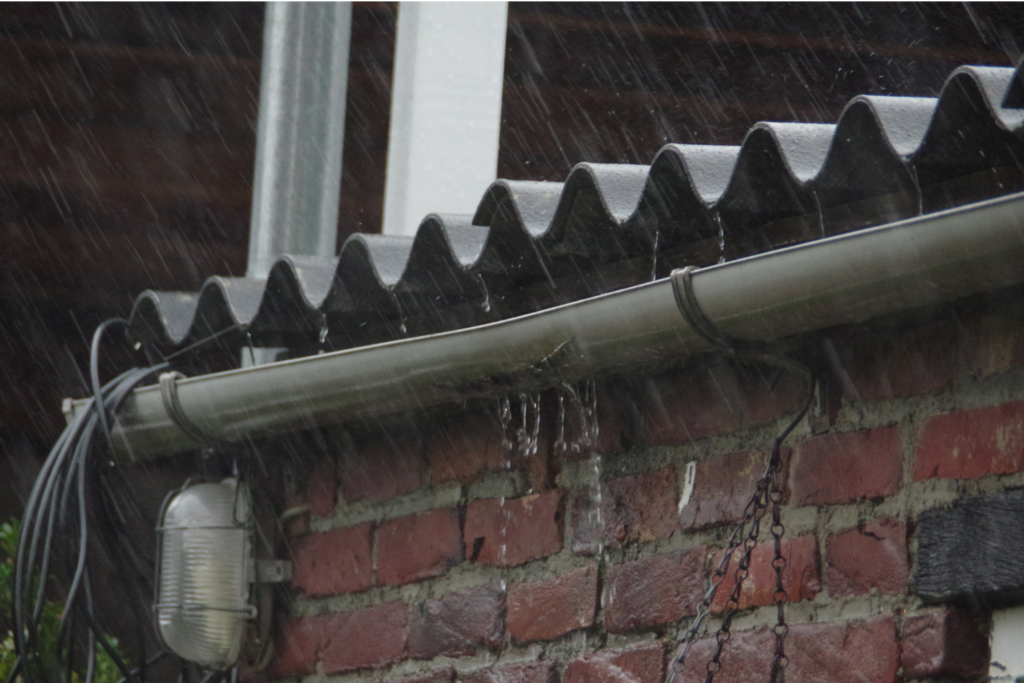
Heavy rain does not forgive a weak point. What begins as a minor drip behind the gutter becomes a steady stream during the next storm. That stream carries roof grit and debris that widen the gap. Overflow follows, because escaping water disrupts the water flow the system was designed to control. A gutter problem the size of a pencil eraser can stain siding, rot a fascia board, and erode soil near the foundation before the season ends. A gutter that is the right size but pitched wrong overflows just the same. Gutter slope is what moves water toward the downspouts during a downpour.
Clogged Gutters Are the Number One Leak Source in Lady Lake
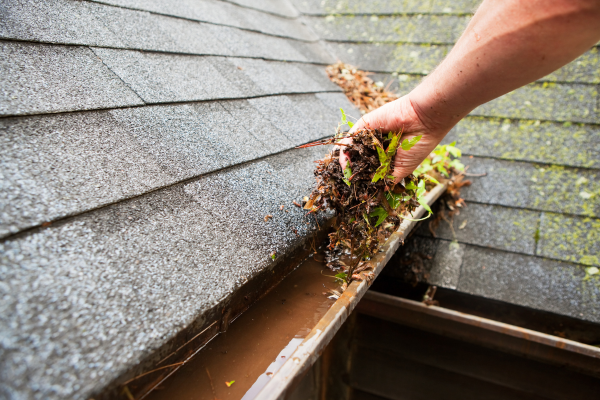
Lady Lake sits under a heavy oak and pine canopy, and every storm fills rain gutters with leaves, needles, and shingle grit. Clogged gutters hold standing water instead of moving it, and that standing water sits against every seam for days. The constant moisture softens sealant, rusts fasteners, and adds weight that stresses the entire gutter. Most gutter leaks in the area trace back to a clog that held water against a joint long enough to break it down.
Why Gutter Cleaning Alone Does Not Stop the Leaks
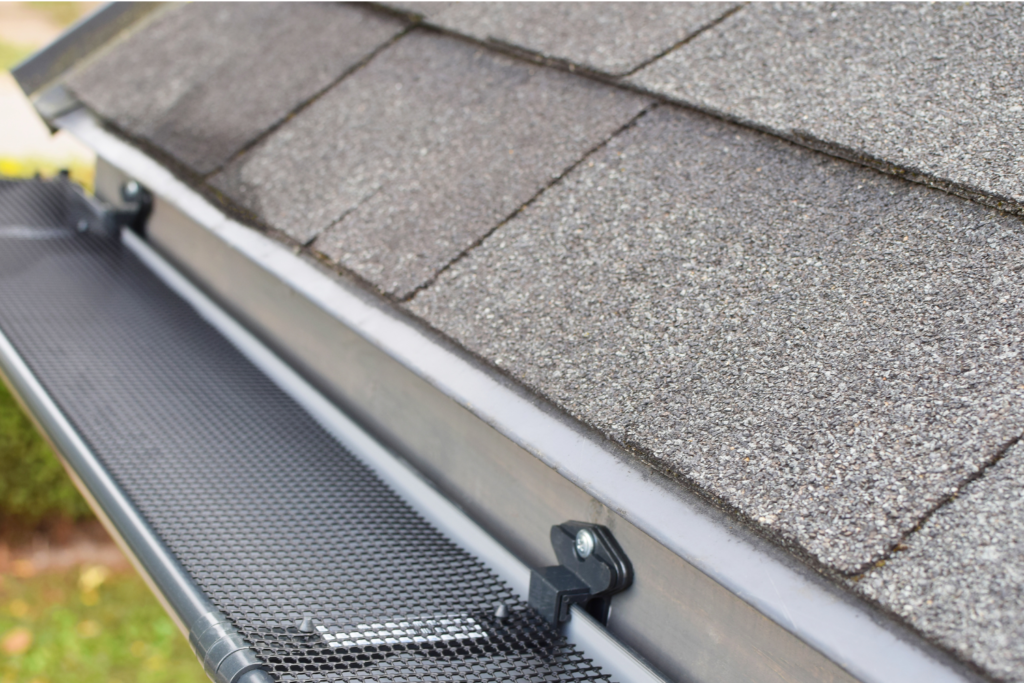
Regular gutter cleaning protects the system, but cleaning alone cannot stop leaks that already started. Once water finds a path through a failed seam or a loose end cap, clearing the debris will not reseal it. Cleaning also misses what happens below, because a clear trough still fails if downspouts discharge water against the foundation. Pairing cleaning with real repairs, and adding gutter guards where tree cover is heavy, addresses both the clog and the damage it leaves behind.
Standing water in a clogged trough also turns the roofline into one of the worst mosquito breeding grounds on the property. That gives every recurring clog a second reason to fix it at the source.
Sagging Gutters and the Slope Problem Nobody Notices
A gutter can be perfectly clean and still leak, because slope does the real work of moving rainwater. When hangers become loose or damaged, a section starts to sag, and the low spot collects water instead of shedding it. Homeowners notice the sag long after the leak begins, because the change happens a quarter inch at a time.
When a Sag Pulls the Seams Apart, and Water Finds the Fascia
Sagging gutters do more than hold water. The weight pulls seams apart, works fasteners out of the fascia, and opens gaps at the end caps. Water then escapes behind the gutter, where it soaks the fascia board and runs down the interior wall of the home. That hidden path is the most expensive kind of leak. The damage shows up as rot and stains long after the rain that caused it. Crews repairing these problems adjust the gutter pitch, replace failed hangers, and reseal every joint the sag opened.
Where the Water Really Goes When Gutters Leak
A leaking gutter rarely drips straight down. Water escapes behind the gutter, wicks into the roof edge, and soaks the fascia before it ever becomes visible. By the time a homeowner sees a stain, moisture has often been traveling that path for weeks.
The Water Damage That Starts Behind the Downspout
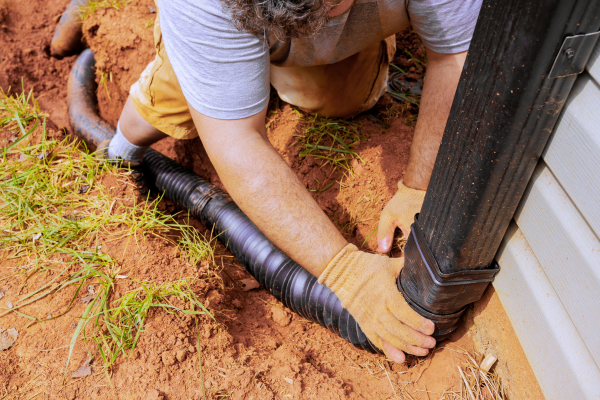
The end of the system causes as much damage as the middle. Downspouts that dump water beside the foundation create pooling, and pooling water works its way toward the slab. In sandy soil, discharged water soaks straight down beside the slab instead of sheeting away. That is why downspout extensions designed for Florida conditions matter more here than anywhere else. Left alone, that hidden moisture leads to the kind of structural damage no homeowner wants to pay for.
Gutter Repair That Survives the Next Rainy Season
A repair that lasts addresses the source of the leak, not just the drip. That means resealing every failed seam, replacing damaged sections, securing hangers, and confirming the run is sloped so water reaches the downspouts instead of pooling. When wear shows across the whole run, seamless gutters remove most of the joints where leaks begin. That is why replacement often outlasts a third round of spot repairs on an aging system.
What a Homeowner Should Expect From a Real Gutter Maintenance Plan
Real gutter maintenance is more than an annual cleaning. A proper plan includes a gutter inspection of every seam, fastener, and downspout before the rainy season. It adds sealant touch-ups where joints show wear, plus drainage checks that confirm water moves away from the foundation.
The plan should also cover the soffit and fascia behind the gutters. Rotted fascia is the surface every hanger depends on, and a weak board lets a freshly repaired run sag again within a season. Keeping gutters on that schedule extends the lifespan of your gutters and reduces the risk of water reaching the fascia, the roof edge, or the slab. A system that is inspected, sealed, and sloped correctly stops the cycle. It safeguards the home through every rainy season that follows.