The Vinyl Siding Choices Oxford Homeowners Regret After One Florida Summer
Oxford homeowners who installed budget vinyl siding last spring are seeing the results now. The color that looked rich in the showroom has gone chalky, the panels that sat flat in April have started to ripple, and a few corners have cracked outright. One Florida summer is all it takes to separate siding chosen well from siding chosen cheap. The regret is avoidable, but only if you know which choices cause it.
What One Florida Summer Actually Does to Thin Vinyl Siding
Florida is the hardest climate in the country for exterior cladding. The sun’s rays hit harder here than almost anywhere else, humidity stays high for months, and wall surfaces cycle from morning warmth to afternoon surface temperatures hot enough to touch. Thin panels built for milder markets simply are not engineered for this.
How UV Rays Fade a Vibrant Finish in a Single Season
UV exposure breaks down the pigment in cheap vinyl the same way it breaks down lawn furniture. A vibrant color relies on quality color technology baked through the panel, not a surface coat. Budget panels carry less pigment and weaker stabilizers, so the hue dulls within months of intense sun. Homeowners notice it first on south and west walls, where sun exposure is longest, and the uneven fade makes the whole exterior look older than it is.
Why Cheap Panels Warp and Crack Under Daily Heat Cycles
Every Florida day expands a panel slightly, and every cool night contracts it. Thin vinyl lacks the thickness and texture to absorb that movement, so it buckles along the lock, waves between fasteners, and eventually cracks at the corners. Once a panel warps, gaps open behind it, and moisture follows. That is when fading becomes something worse, because trapped moisture rots the wall sheathing the siding was supposed to protect.
The Regret List: Choices Oxford Homeowners Wish They Could Take Back
Ask any homeowner who replaced siding twice in five years what went wrong, and the answers repeat. The regret rarely comes from choosing vinyl itself. It comes from two decisions made before the first panel went up.
Choosing on Price Alone and Paying for It in Durability
The cheapest bid almost always means thinner panels, weaker locking systems, and less UV resistance. Durability lives in the panel’s thickness, its pigment load, and the quality of the profile, none of which show in a photo. Homeowners who choose on price alone watch their savings evaporate in costly repairs and early replacement, while neighbors who paid slightly more for quality siding are still washing theirs down once a year.
Skipping the Warranty Fine Print That Would Have Predicted the Failure
Warranty options tell you what manufacturers actually expect from their products. A fade warranty measured in decades signals strong color retention, while a prorated warranty that shrinks after a few years signals the opposite. Many homeowners never read those terms, then discover their faded wall is not covered. The fine print predicted the failure all along.
How Long Does Vinyl Siding Last in Central Florida
National guides claim vinyl lasts twenty to forty years, but those numbers assume milder climates. In Central Florida, the honest answer depends on panel quality and installation. Premium modern vinyl with strong UV stabilizers can last decades here, while builder-grade panels often show serious fading and warping within three to five summers. The question is not just how long vinyl siding lasts, but how long it looks good, and that gap is where regret lives. That gap also explains why so many Central Florida homeowners now choose vinyl siding over repainting, because a fresh coat on failing walls only resets the same cycle.
The Choices That Hold Up Instead
The good news is that siding technology has improved, and the products that survive Florida are easy to identify once you know what to look for.
What Durable, Quality Siding Looks Like Up Close
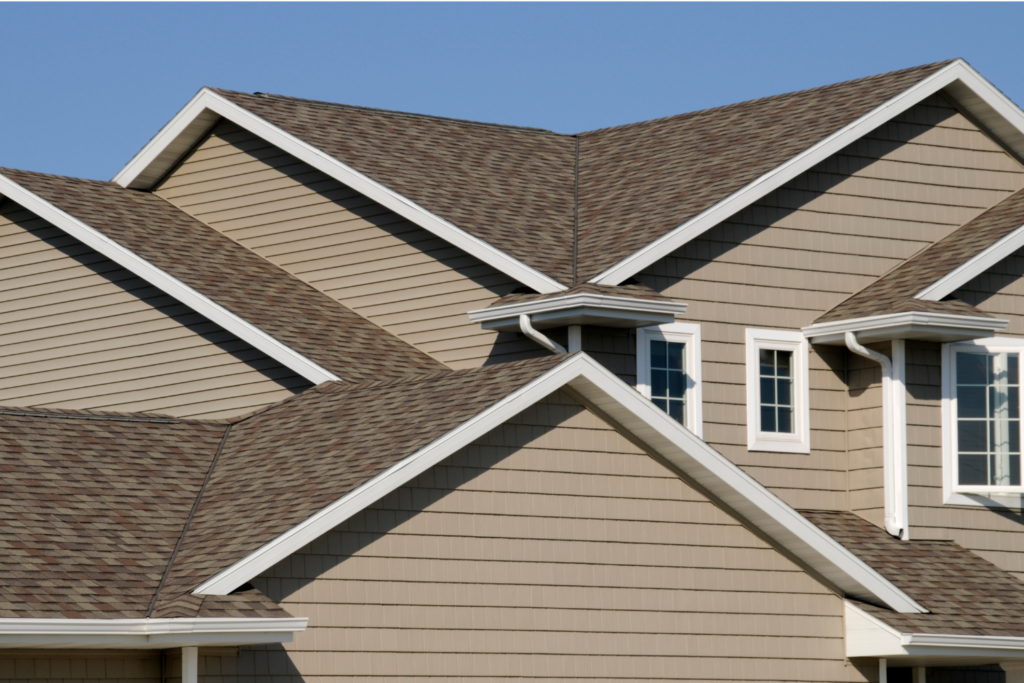
Durable panels feel rigid, show a deep texture, and carry color through the full thickness of the polyvinyl chloride rather than a thin surface layer. Modern vinyl with reflective pigment technology stays cooler and resists fade far better than older formulations. Thicker panels also hold their lock under wind, which matters during storm season. The difference is visible at the panel edge, where quality shows as solid color instead of a pale core.
Why Low-Maintenance Beats Wood Siding in Florida Humidity
Wood siding looks classic, but Florida humidity turns it into a maintenance commitment. It needs repainting on a cycle, it absorbs moisture, and it invites pest damage and rot behind the surface. Vinyl needs a rinse with soapy water and a garden hose, and its low maintenance requirements never change with the weather. For most Oxford homeowners, that difference in upkeep is exactly why they consider vinyl siding in the first place.
Why Installation Quality Decides Everything the Brochure Promises
Even premium panels fail when installed badly. Panels fastened too tightly cannot expand, so they buckle in the first heat wave. Gaps left at trim and corners admit wind-driven rain. The manufacturer’s promises assume correct siding installation, and the contractor delivering it matters as much as the product.
The Contractor Questions That Separate a Smooth Siding Installation From a Future Regret
Before signing, homeowners should ask what panel thickness the bid includes, how fasteners are spaced, and how corners and trim are sealed. A siding company that answers those questions precisely is one that has installed in Florida heat before. Vague answers are the earliest warning sign of the regret this post describes. Neighbors in Belleview and Summerfield faced the same vinyl siding decisions before their installs, and the lessons they learned match the regret list above.
When Repairing Beats Replacing, and When It Does Not
Not every faded wall needs a full replacement. Isolated cracked panels from a storm impact can be swapped individually, and a targeted vinyl siding repair restores one wall section without touching the rest of the home. But widespread fade, repeated warping, or moisture stains on interior walls point to a system problem, and patching it only delays the costlier outcome. The honest test is simple. If the damage is one panel, repair it. If the damage is the choice of panel, replace it. Oxford homeowners who make that call before the next summer protect both their home’s exterior and their resale value, and they turn a season of regret into an upgrade that finally lasts.