How Florida Sun Destroys Screen Enclosure Spline Before You Notice
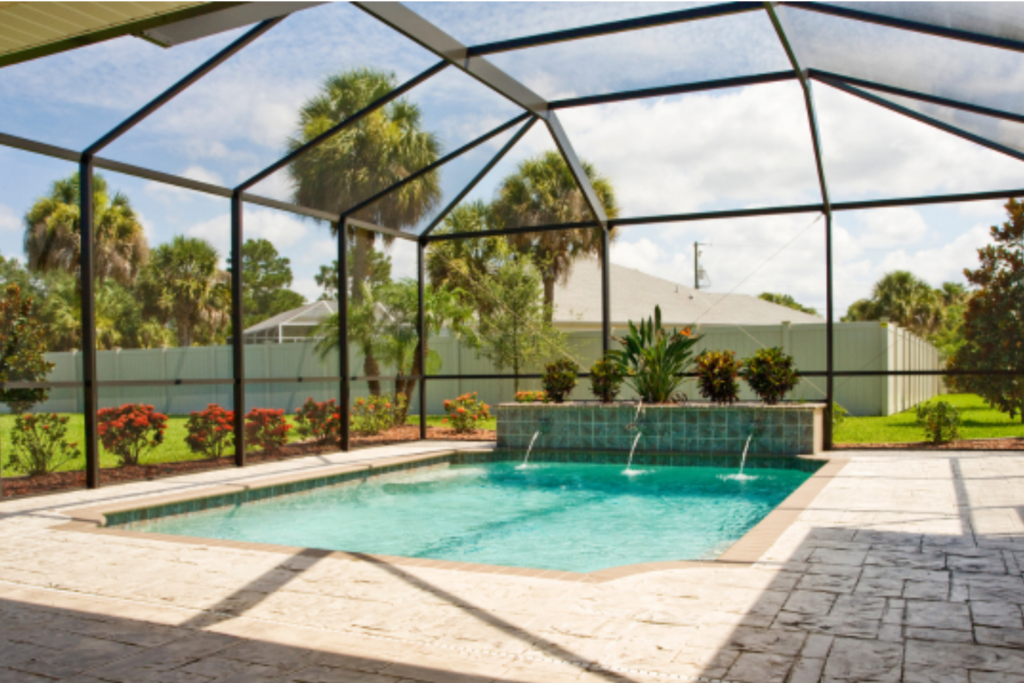
Screen enclosures are designed to last. The aluminum frames resist rust, the screens block insects, and the structure provides comfortable outdoor living for years. But there is one component that silently degrades in Florida’s intense UV environment, and when it fails, it takes the screens with it.
That component is the spline. It is a small, flexible cord that holds the screen material in the frame channel. When it is healthy, it keeps screens taut and secure. When it deteriorates, screens loosen, sag, and eventually blow out during storms. Understanding spline degradation helps homeowners replace it before they are facing a much more expensive repair.
What Spline Does and How It Works
Spline is a round or flat cord, usually made of vinyl or rubber, that is pressed into a channel (called a screen track or groove) on the aluminum frame. The spline wedges the screen material into the channel, holding it under tension. This tension is what keeps screens flat, taut, and rattle-free.
Every panel of your enclosure is held in place by spline. Without it, screens cannot stay attached to the frame.
Why Florida Sun Attacks Spline So Aggressively
Spline material is designed to be flexible. That flexibility allows it to press into the channel and grip the screen material. But Florida’s UV radiation breaks down the polymers that give spline its flexibility.
UV Degradation of Vinyl and Rubber
Sunlight contains ultraviolet radiation that degrades vinyl and rubber at the molecular level. Over time, the material becomes stiff, brittle, and shrunken. In Florida, where UV exposure is intense year-round, this process happens faster than in northern climates.
Heat Acceleration
A spline sitting in a metal channel absorbs heat from the aluminum frame and from direct sun. That heat accelerates the chemical breakdown. South-facing and west-facing panels, which receive the most sun, degrade first.
Constant Exposure Without Protection
Unlike other components that receive shade or partial protection, spline is exposed to the sun continuously. It has no paint, coating, or UV shield. The degradation begins the day it is installed and continues uninterrupted.
The Stages of Spline Failure
A spline does not fail suddenly. It degrades in stages that are predictable but difficult to notice without inspection.
Stage One: Hardening
The spline loses flexibility and becomes stiff. It still holds the screen, but it no longer grips as tightly. The screen may start to feel slightly loose.
Stage Two: Shrinkage
As the material dries and hardens, it shrinks slightly. This shrinkage reduces contact with the channel walls, weakening the grip on the screen material.
Stage Three: Cracking and Breaking
Brittle spline cracks when the frame flexes in wind or temperature changes. Once a crack develops, the spline loses tension in that section, and the screen begins to pull free.
Stage Four: Screen Blowout
When enough spline has failed, a moderate wind event pulls the screen out of the channel entirely. The screen tears, flaps, and often damages adjacent panels as it goes.
Why You Do Not Notice Until It Is Too Late
Spline sits inside a channel that is mostly invisible from normal viewing distance. You cannot see hardening, shrinkage, or early cracking without getting close to the frame and examining the channel directly.
Most homeowners discover spline failure only when a screen blows out during a storm. By that point, the spline throughout the enclosure may be equally degraded, meaning more panels are likely to fail soon.
The Cost Difference Between Spline Replacement and Screen Blowout Repair
Replacing spline before it fails is a controlled, scheduled maintenance task. The screen material is removed, new spline is pressed in, and the screen is retensioned. The existing screen can often be reused if it is still in good condition.
After a blowout, the repair is more extensive. Torn screens must be replaced entirely. Damaged frames may need straightening or replacement. If multiple panels failed during the same storm, the cost multiplies quickly.
Professional rescreening and enclosure repair services can evaluate spline condition across your entire enclosure and replace it proactively, before wind does the job violently.
When to Have Spline Inspected
As a general guide, spline in Central Florida should be inspected after five to seven years. South-facing and west-facing panels may need attention sooner. If your enclosure is over ten years old and the spline has never been replaced, it is likely past its useful life regardless of how the screens look from a distance.
Keep Your Enclosure Intact
Your screen enclosure is one of the features that makes Florida living comfortable. Protecting it from sudden failure is not about expensive overhauls. It is about recognizing that one small, invisible component wears out faster than everything else, and replacing it on your terms rather than the weather’s