Why Wildwood Homes With Heavy Tree Cover Need Gutter Guards Before Storm Season
Wildwood sits under some of the densest tree canopy in Central Florida. Oaks and pines line the lots, and every one of them sheds directly onto the roofs below. When storm season arrives, that canopy turns an open gutter into a catch basin for leaves, needles, and twigs. Many homeowners discover the problem only when water pours over the roofline during the first heavy rain. Gutter guards change that outcome, and the weeks before storm season are the right time to act.
What Wildwood’s Oak and Pine Canopy Does to an Open Gutter
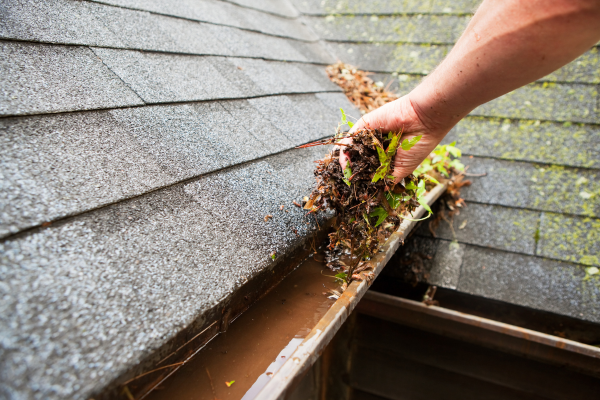
An open gutter catches everything the roof sheds. Oak leaves drop in fall, pine needles fall year-round, and shingle granules wash down with every storm. Wet leaves pack together into a dense mat that blocks the channel, and twigs lock the mat in place. A gutter system under this canopy fills within weeks, not months.
How Debris Builds a Clog That Heavy Rain Turns Into Overflow
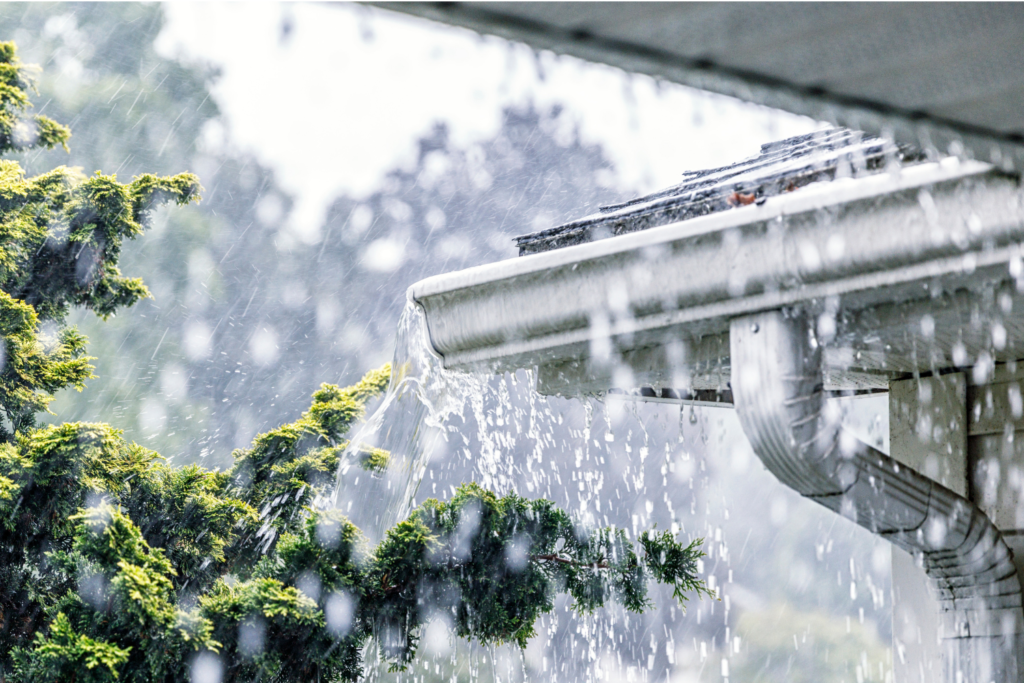
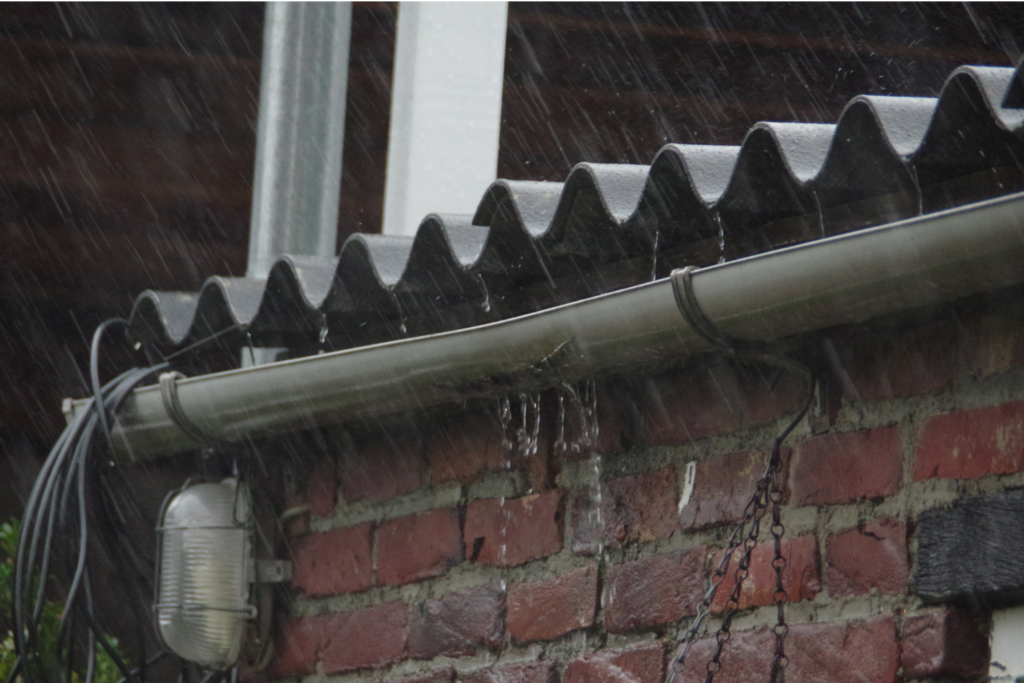
The clog forms in layers. First, debris settles near the downspouts, where the channel narrows. Then rain compacts the material into a dam that holds water instead of releasing it. When heavy rainfall arrives, the trapped water has nowhere to go except over the edge. Overflowing gutters dump water against the siding, soak the fascia, and erode the soil below. A single storm can undo years of protection in the hour it takes to pass.
Are Gutter Guards Worth It for Homes Under Heavy Tree Cover
For most Wildwood homes, the answer is yes, and the math is simple. A guarded gutter needs far fewer cleanings each year, and each skipped ladder session removes a fall risk. Guards also protect the system between cleanings, which is when most clog damage happens. The question is not whether guards help, but which type fits the debris load.
What Gutter Guards Actually Stop and What Still Gets Through
Honesty matters here. A quality gutter guard stops leaves, twigs, and most pine needles before they enter the channel. Fine debris still gets through. Shingle granules, pollen, and grit from the roof wash through every guard surface and settle at the bottom of the gutter. That residue builds slowly, which is why guards reduce maintenance instead of eliminating it. Homeowners who expect a zero-maintenance system set themselves up for disappointment, while homeowners who expect fewer cleanings get exactly that.
How Gutter Guards Handle Storm Season in Central Florida
Central Florida storms arrive fast and dump enormous volumes of water in short windows. A guarded gutter keeps its water flow intact during those bursts. The channel stays clear, and the downspouts keep moving rainwater away from the home. Guards also block the sudden debris surge that follows every storm front.
When High Winds Fill the Roof With Debris Overnight
High winds do the canopy’s work in hours. A single overnight storm strips branches, seed pods, and twigs onto every roof in the neighborhood. The next rain then washes it all toward the gutters at once. An open gutter cannot absorb that surge. A guarded one sheds the bulk of it off the roof edge, where wind and rain carry it harmlessly to the ground. That difference decides whether a home rides out storm season dry or starts it with an overflow problem.
Choosing the Right System for Florida Homes
Not every guard survives Florida conditions. The best gutter protection for this region matches two realities: pine needles and intense rainfall. Screens or perforated panels handle leaves but let needles through, and cheap plastic styles crack under years of sun.
Why Micro-Mesh Outperforms Reverse-Curve Designs Under Pines
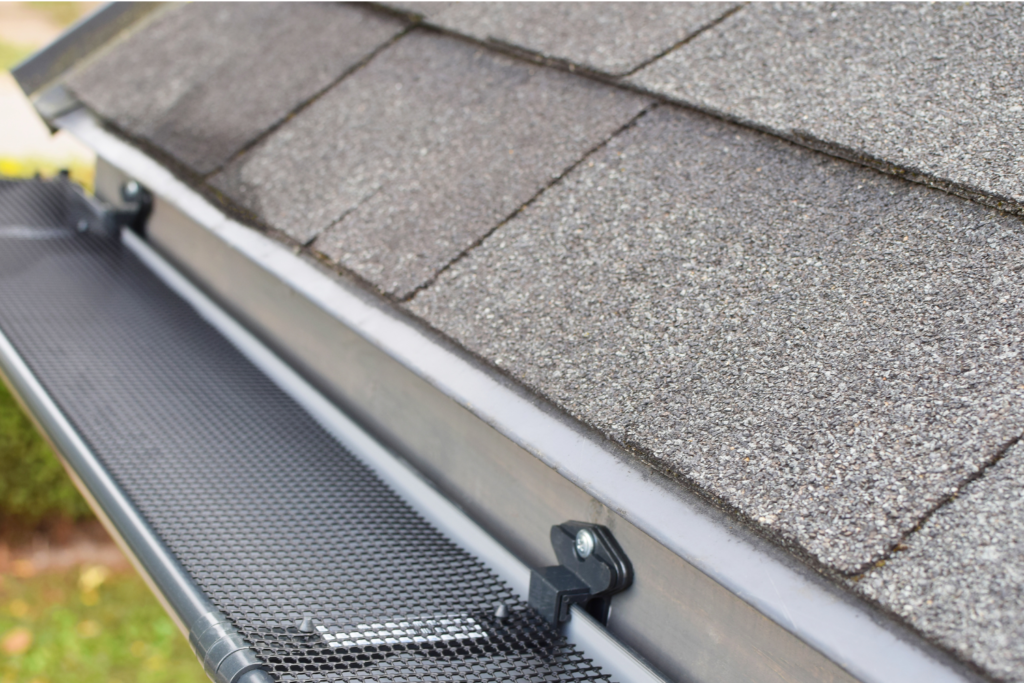
Micro-mesh guards use a fine woven surface that blocks even pine needles while letting water pass at high volume. Reverse-curve designs rely on water tension to wrap rainwater around a nose and into the channel. In Florida, heavy rainfall often overshoots that curve entirely, sending water past the gutter and onto the ground below. Under pines, reverse-curve noses also collect needle clusters that bridge the opening. For Wildwood’s debris mix, micro-mesh handles both problems at once.
The Gutter Guards Cause Problems Homeowners Should Know About
Guards introduce their own issues when chosen poorly. Thin screens sag under wet leaves and pull away from the fascia. Poorly fitted panels leave gaps at the roof edge where twigs wedge in. And any guard that slows water flow can cause overshoot during a downpour, dumping rain beside the foundation instead of through the downspouts. Knowing these failure modes is part of choosing the right system. The guard should always match the roof pitch and the gutter size beneath it.
Why Professional Installation Decides Whether Gutter Protection Lasts
A guard is only as good as its fit. Installing panels on a gutter that already sags, or fastening them through a rotted fascia board, locks the problem in place. A professional checks the hangers, the pitch, and the fascia first, then fits the guard so it sheds debris without choking water flow. The fascia matters more than most homeowners realize. Fascia board failure is what leaves every hanger and every guard anchor with nothing solid to grip.
What Happens to Downspouts and Siding When Gutters Are Clogged
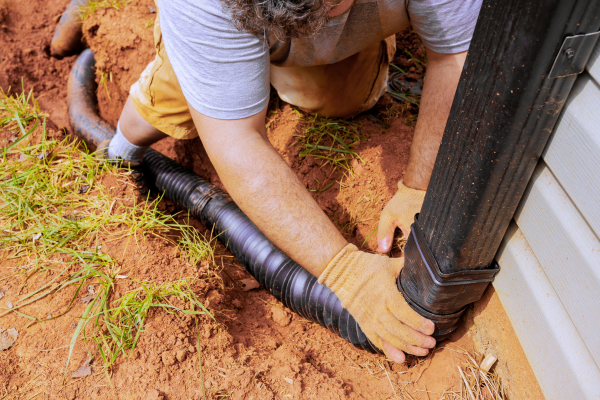
Clogged gutters push water where it does not belong. Overflow stains the siding, wicks behind the soffit, and rots the fascia from the top down. Undersized or blocked downspouts back the water up even faster, and the standing weight pulls the gutter away from the roofline. Left alone, that moisture threatens the structural integrity of the roof edge and invites the same wood rot that spreads into the attic.
Standing water in a clogged trough also turns the roofline into one of the worst mosquito breeding grounds on the property. That gives every recurring clog a second reason to fix it at the source.
The Gutter Maintenance Tree-Covered Homes Still Need
Guards change the maintenance schedule, not the need for one. Tree-covered homes still benefit from an annual gutter inspection, a check of the residue layer beneath the guard, and a look at the downspouts before storm season. Adding guards to a system that is already sealed, sloped, and secure delivers the full benefit. Seamless gutters give the guard a properly pitched, leak-free channel to sit on.
Pairing the roofline work with healthy soffit and fascia gives the guard a solid surface to fasten to. A Wildwood homeowner who combines guards with that baseline maintenance enters every storm season ready. The system sheds debris, moves rainwater, and keeps water away from the home where it belongs.