
Why Umatilla and Weirsdale Homeowners Get Better Results Replacing Soffit, Fascia, and Gutters Together
Most homeowners in Umatilla and Weirsdale first notice they have a roofline problem when their gutters start leaking or pulling away from the house. The natural instinct is to call someone to fix the gutters. But experienced exterior professionals know that gutter failure is frequently a symptom of a larger problem: the fascia board supporting those gutters has rotted, and the soffit adjacent to that fascia has likely deteriorated alongside it.
Replacing gutters alone on damaged fascia is like hanging a new picture frame on a crumbling wall. It may look fine temporarily, but the underlying failure guarantees the new gutters will sag, leak, and fail prematurely because their mounting surface cannot support them. This is why replacing all three components together delivers dramatically better results, longer system life, and lower total cost compared to addressing them separately over time.
How These Three Components Work as an Integrated System
Fascia Supports Everything at the Roof Edge
The fascia board is the vertical surface at the edge of your roofline. It covers exposed rafter tails, provides the mounting surface for your gutter system, and creates the visual transition between your roof and soffit. Every pound of gutter weight, every gallon of water flowing through those gutters, and every wind force pushing against the gutter system transfers directly into the fascia board.
Soffit Seals and Ventilates the Eave Cavity
Soffit panels cover the underside of the roof overhang, preventing moisture, pests, and debris from entering the attic space while allowing ventilation airflow through perforated sections. Soffit connects directly to fascia at the roof edge and to the exterior wall at the opposite end.
Gutters Depend on Both Components for Performance
Your gutter system attaches to the fascia for structural support. It sits immediately adjacent to the soffit at the eave line. When gutters overflow, the first surfaces water contacts are the fascia behind the gutter and the soffit above. These three components exist in constant interaction, and failure in any one affects the others.
Why Umatilla and Weirsdale Properties Experience Combined Roofline Deterioration
Lake County Humidity Attacks Wood Simultaneously
Umatilla borders Lake Yale, while Weirsdale sits near Lake Weir. The humidity generated by these large water bodies keeps roofline materials perpetually exposed to moisture-laden air. Fascia, soffit, and gutter sealants all deteriorate under these conditions at roughly similar rates, meaning when one component shows visible damage, its neighbors are typically in a similar condition, even if they appear acceptable from ground level.
Gutter Overflow Damages Fascia and Soffit Together
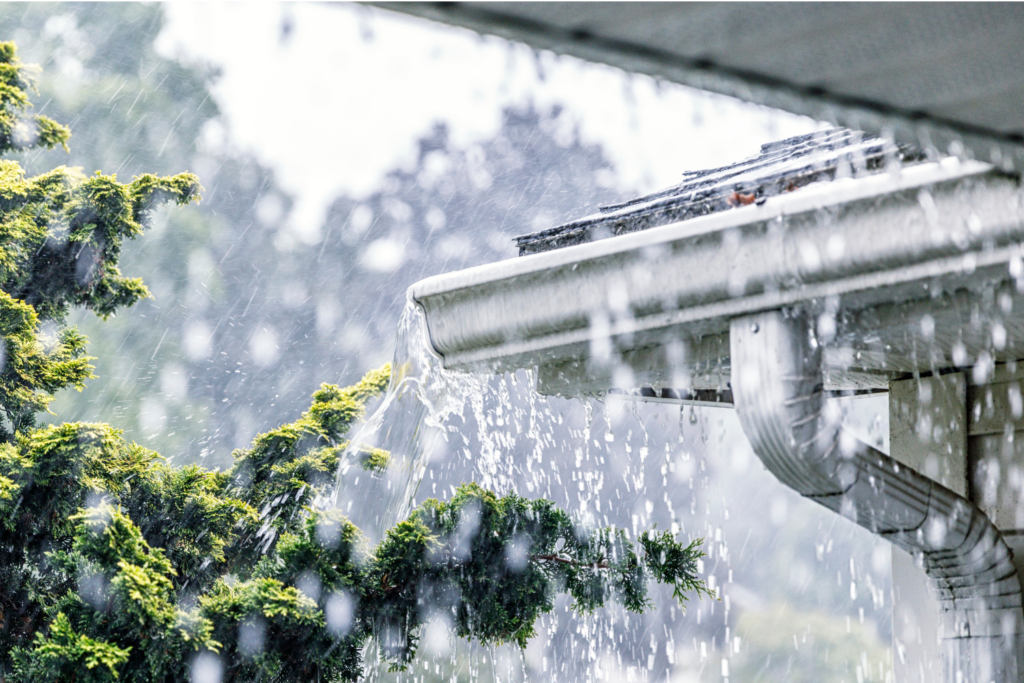
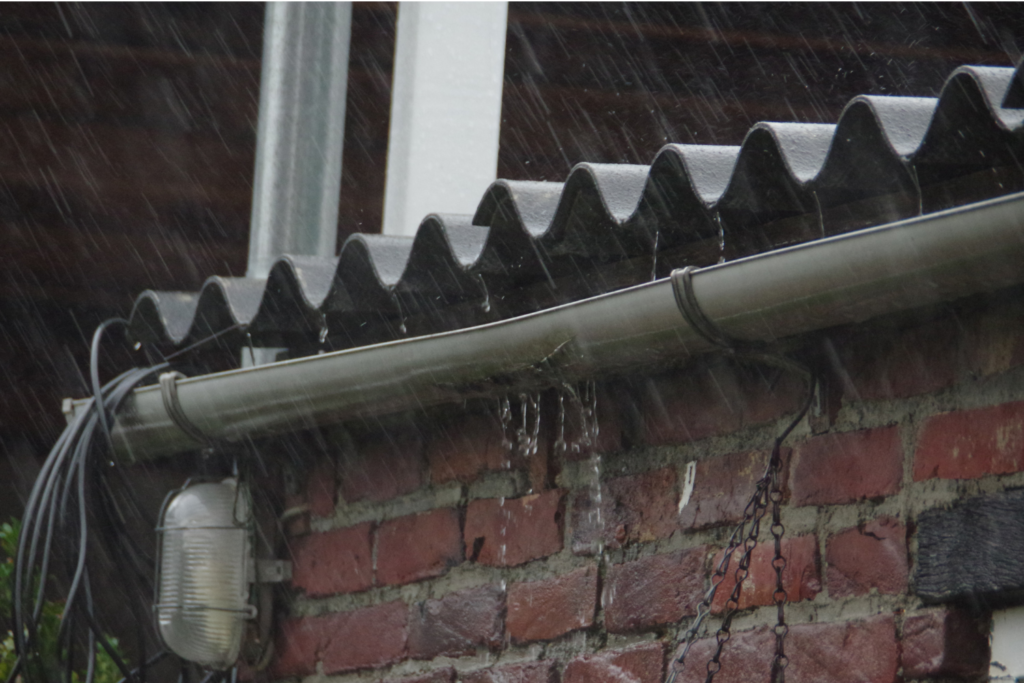
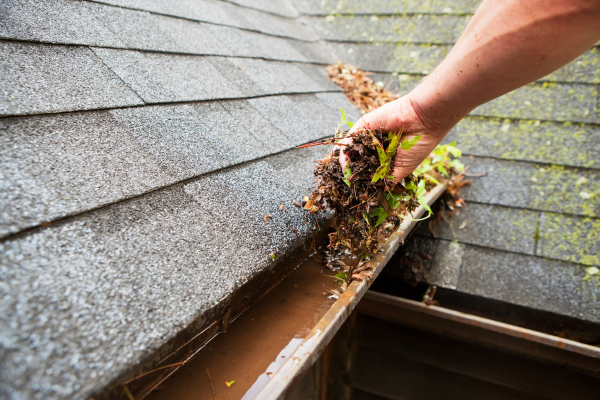
When gutters clog or sag, overflow water contacts both the fascia (flowing down the back of the gutter) and the soffit (splashing upward from the gutter’s front edge). This simultaneous moisture exposure ensures that gutter problems create fascia AND soffit damage as a package rather than affecting only one component.
The Financial Case for Combined Replacement
One Mobilization Cost Instead of Three
Exterior work requires crew mobilization, equipment setup, material delivery, and site cleanup. Combining soffit, fascia, and gutter work into a single project spreads these fixed costs across all three services rather than paying mobilization costs three separate times over the following years.
Proper Integration Prevents Future Failures
When one contractor handles all three components simultaneously, every connection point between systems is properly integrated. Fascia installation accounts for gutter mounting requirements. Soffit installation meets fascia cleanly with appropriate drainage gaps. Gutter installation lands on solid, straight fascia with no shimming or compromise required.
Matched Materials and Cohesive Appearance
Replacing all roofline components together ensures color matching, material compatibility, and consistent aging across the entire system. Replacing only gutters on old fascia creates visible color and material mismatches that look disjointed and draw attention to the components that were not updated.