
What Florida Storms Actually Do to Screen Enclosures and How to Spot the Damage
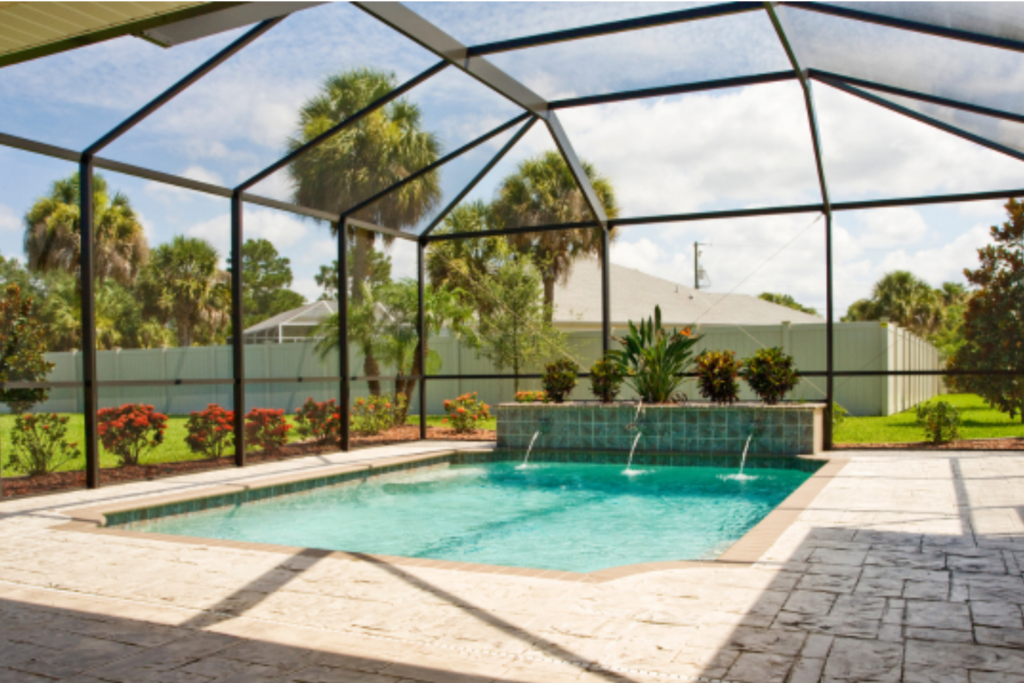
Screen enclosures are one of the most used outdoor features in Central Florida homes. They provide comfortable, bug-free space for relaxing, entertaining, and everyday living. But they also absorb punishment from every storm that passes through.
High winds, driven rain, falling branches, and even hail take a toll on screens, frames, and fasteners. Some damage is obvious. Much of it is not. Understanding what storms do to enclosures helps homeowners catch problems early, before small damage becomes a full structural failure.
The Types of Damage Florida Storms Cause
Not every storm leaves dramatic destruction. In fact, the most common damage is subtle and easy to overlook.
Screen Tears and Stretching
Wind pushes against screen material, stretching it beyond its intended tension. Over time, repeated stretching weakens the fabric until it tears. Small tears grow with each storm, eventually becoming large openings that defeat the purpose of the enclosure.
Frame Stress and Loosening
Aluminum frames flex under wind pressure. This is by design, but repeated flexing loosens connections at corners, posts, and attachment points. Screws back out, joints separate slightly, and the overall structure becomes less rigid.
Spline Failure
The rubber spline that holds screen material in the frame channel degrades with UV exposure and heat. Florida sun hardens the spline over time, making it brittle. When a storm adds pressure, hardened spline pops out of the channel, releasing the screen.
Hidden Fastener Corrosion
Screws and bolts that attach the enclosure to the home or slab corrode in Florida’s humid, salt-influenced air. Corroded fasteners lose grip strength, which means the enclosure is less securely attached than it appears.
Why Hidden Damage Is More Dangerous Than Visible Damage
A torn screen is easy to see and easy to understand. But the real risk comes from damage you cannot see from a casual glance.
Weakened Connections Fail Suddenly
A frame that looks solid but has loosened joints can fail catastrophically during the next storm. One section pulls free, which transfers stress to adjacent sections, and the entire structure can collapse in minutes.
Compromised Tension Invites Bigger Tears
A screen that has lost proper tension flaps in the wind instead of resisting it. That flapping puts stress on the remaining attachment points and accelerates tearing.
Water Intrusion at Attachment Points
Where the enclosure meets the home, damaged seals or shifted frames can allow water to enter the wall cavity. This hidden moisture causes mold, rot, and damage that extends far beyond the enclosure itself.
How to Inspect Your Enclosure After a Storm
A simple walkthrough after each significant storm helps catch problems early.
Check Screen Tension
Press gently on each panel. Screens should feel taut and return to position. If they feel loose, saggy, or make a flapping sound in the breeze, tension has been lost.
Examine Corners and Joints
Look where frame pieces meet. Gaps, visible movement, or screws that have backed out indicate loosening.
Look at the Spline Channel
Walk the perimeter and check where the spline meets the frame. Any sections where the spline has pulled out, or screen fabric has come loose, need attention.
Inspect the Base and Attachment Points
Where the enclosure connects to the slab or home, check for shifting, gaps, or corroded hardware.
Why Timely Repair Prevents Full Replacement
A single torn screen panel is a simple repair. A loosened corner joint is a straightforward fix. But when these small problems are left unaddressed through multiple storm seasons, they compound into structural failure that requires a complete rebuild.
Professional porch and enclosure repair services can restore tension, replace damaged sections, resecure frames, and reinforce weakened connections, extending the life of the existing structure significantly.
Preparing for the Next Storm Season
The best time to inspect and repair an enclosure is before storm season arrives. Addressing accumulated wear when conditions are calm allows for careful, thorough work and prevents the rush and backlog that follow major storms.
If your screen enclosure has been through multiple Florida storm seasons without a professional inspection, the accumulated stress may already be creating vulnerabilities. A thorough evaluation can identify what needs attention now and what can wait, helping you prioritize repairs and protect your investment before the next storm tests it.