
Why Gutter Slope Matters More Than Gutter Size During Florida Downpours
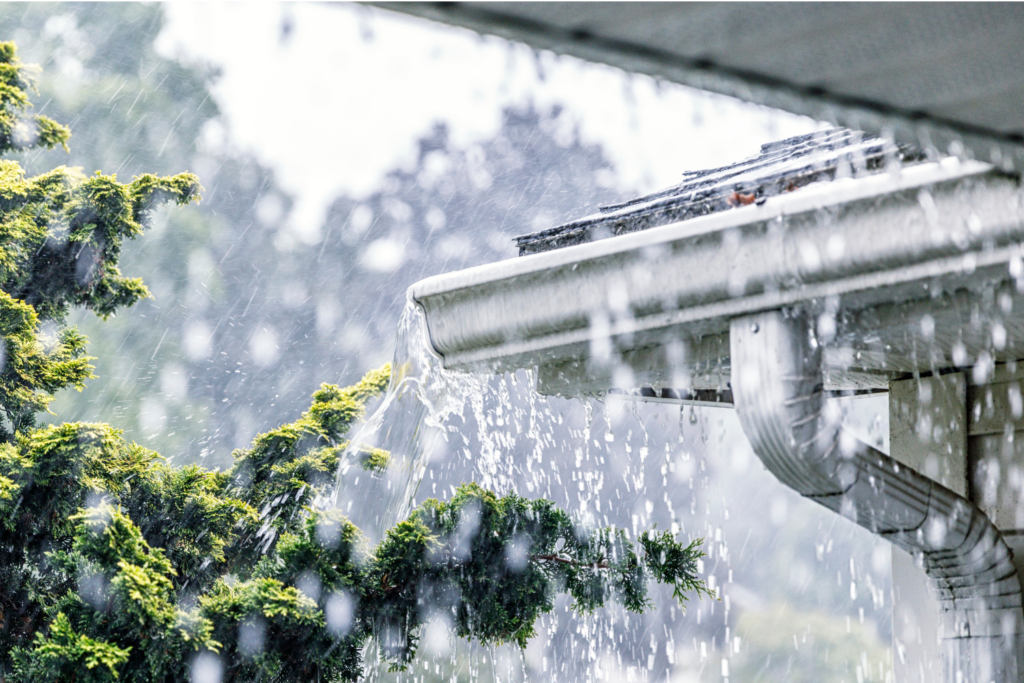
When gutters overflow during a Florida rainstorm, most homeowners assume the gutters are too small. They look at water pouring over the edge and conclude that bigger gutters are the answer. In many cases, however, the gutters are the right size. The problem is the slope.
Gutter slope, also called pitch, is the slight angle that directs water toward the downspouts. When that angle is wrong, water moves too slowly, pools in the middle of the run, and eventually overflows. Understanding this overlooked detail helps homeowners recognize the real cause of overflow and avoid unnecessary replacements.
What Gutter Slope Does and Why It Matters
Every gutter system relies on gravity to move water from the roofline to the downspouts and away from the home. The slope provides that gravity. Without enough angle, water sits in the gutter instead of flowing.
The Ideal Pitch for Florida Rainfall
The standard recommendation is approximately one-quarter inch of drop for every ten feet of gutter run. In Central Florida, where storms deliver enormous volumes of water in short bursts, even a slight deviation from proper pitch can cause overflow during peak rainfall.
What Happens When Slope Is Too Flat
A gutter with insufficient slope holds standing water. That water adds weight, which pulls the gutter away from the fascia over time. Standing water also breeds mosquitoes, accelerates corrosion, and creates conditions for mold growth along the roofline.
What Happens When Slope Is Too Steep
Excessive slope moves water too quickly toward the downspouts, overwhelming them during heavy rain. It also creates an uneven appearance along the roofline that looks out of place and draws attention to the gutter system.
Why Florida’s Rain Patterns Make Slope Critical
Central Florida does not get gentle, steady rain. Storms arrive fast, dump heavy water for short periods, and then stop. This pattern means gutters must handle extreme volume in short windows.
Burst Volume Overwhelms Flat Gutters
A gutter with proper slope begins moving water immediately. A flat gutter fills first, then starts draining. During a sudden Florida downpour, that delay is enough to cause overflow before the system can catch up.
Repeated Storms Compound the Problem
Florida’s rainy season delivers storms almost daily. Each overflow event leaves debris, loosens hangers, and adds stress to the fascia. Over a full season, a slope problem that seems minor can cause significant damage.
How Slope Problems Develop Over Time
Gutters do not always start with slope problems. Several factors cause pitch to change after installation.
Hanger Failure and Settling
Hangers that loosen or pull away from the fascia allow sections of the gutter to sag. Even one or two failed hangers can create a low spot that traps water and disrupts the flow to the downspouts.
Fascia Board Deterioration
When the fascia board behind the gutter softens or rots, the gutter loses its mounting surface. It sinks in those areas, creating dips that hold water. This is why soffit and fascia health is directly connected to gutter performance.
Improper Original Installation
Some systems are installed without proper measurement of the roofline. On homes with long runs, even small errors in pitch become large problems because the cumulative drop is insufficient over the total distance.
The Signs of a Slope Problem
Homeowners can often spot slope issues without climbing a ladder.
Water Overflowing in the Middle of a Run
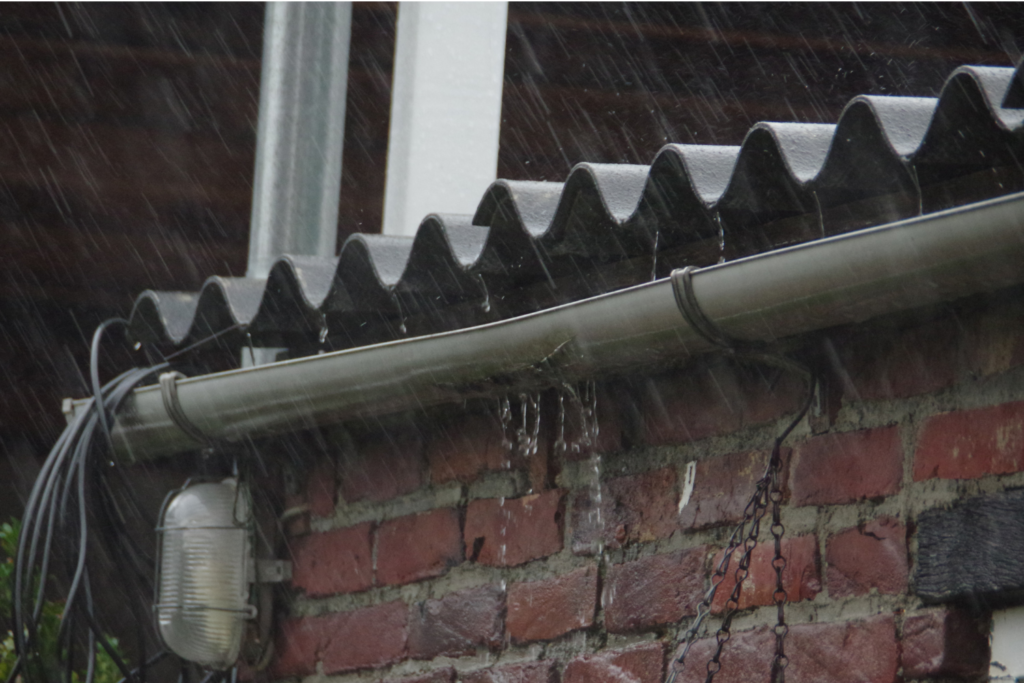
If water pours over the edge away from the downspouts, the gutter is likely sagging or flat in that area.
Visible Sagging or Unevenness
Looking at the gutter from the ground, you may notice dips, waves, or sections that do not follow a straight line along the roofline.
Standing Water After Rain Stops
If you can see water sitting in the gutter hours after a storm, the pitch is not moving it to the downspouts.
Staining or Mold on Fascia Behind the Gutter
Water that sits against the fascia causes staining, paint failure, and eventually rot. These marks are visible from below and indicate trapped moisture.
Why Slope Correction Is a Professional Task
Correcting gutter slope requires precise measurement across the full length of each run. Hangers must be repositioned, the gutter must be lifted or lowered incrementally, and downspout locations must be evaluated to confirm they can handle the corrected flow.
On homes with multiple rooflines, valleys, and corners, this process becomes more complex. Each section must drain independently and connect properly to the overall system.
Professional seamless gutter services evaluate slope as part of every installation and repair, ensuring the system performs correctly from day one and continues performing through Florida’s most demanding storms.
Protect Your Home by Protecting the Flow
Gutter size matters, but slope is what makes the system work. A perfectly sized gutter with improper pitch will overflow just as badly as an undersized one. Understanding this relationship helps homeowners make better decisions about repairs and replacements, and it prevents the frustrating cycle of fixing symptoms while the real problem remains.
If your gutters overflow during storms despite appearing clean and undamaged, the slope may be the answer. A professional evaluation can confirm the issue and correct it before standing water damages your fascia, foundation, and landscaping.