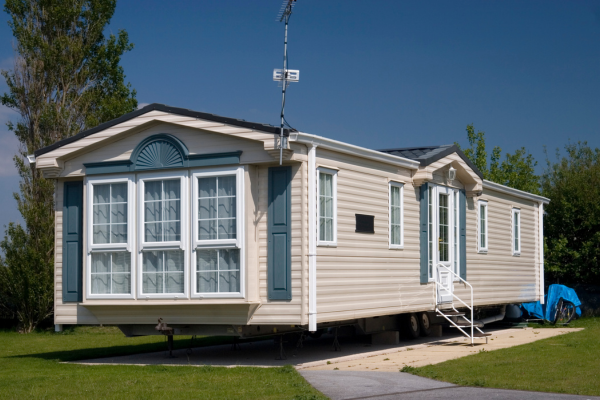
What Every Mobile Home Owner in The Villages Should Know About Gutters
Mobile and manufactured homes make up a significant portion of housing in The Villages and surrounding Central Florida communities. These homes offer affordable, comfortable living, but they have unique structural characteristics that affect how gutter systems should be designed and installed.
A gutter system built for a site-built home does not always translate to a mobile home. The rooflines, fascia materials, mounting surfaces, and drainage patterns are different. Understanding those differences helps homeowners avoid systems that underperform and investments that do not last.
How Mobile Homes Differ From Site Built Homes
Mobile homes are constructed on a steel chassis and transported to the site. This construction method creates several characteristics that affect gutter installation.
Lighter Fascia and Trim Materials
Mobile homes typically use thinner fascia boards or aluminum trim rather than the solid wood fascia found on site-built homes. This affects how hangers attach and how much weight the fascia can support when gutters fill with water during heavy rain.
Lower Roof Profiles
Many mobile homes have lower, flatter roof profiles compared to site-built homes. This changes the pitch angle needed for proper gutter slope and affects how water velocity flows off the roof edge.
Roof Edge Geometry
The metal drip edge on mobile home roofs often sits at a different angle or position than on traditional homes. Gutters must be positioned precisely to catch water as it leaves the roof edge, which requires measurement specific to the home’s configuration.
Why Standard Gutter Approaches Sometimes Fail
When a gutter system is installed on a mobile home using the same methods as a site-built home, problems often develop.
Hanger Pull Through
Standard gutter hangers designed for solid wood fascia can pull through thinner mobile home fascia material under the weight of water-filled gutters. This causes sagging, separation, and eventual failure.
Improper Pitch and Overflow
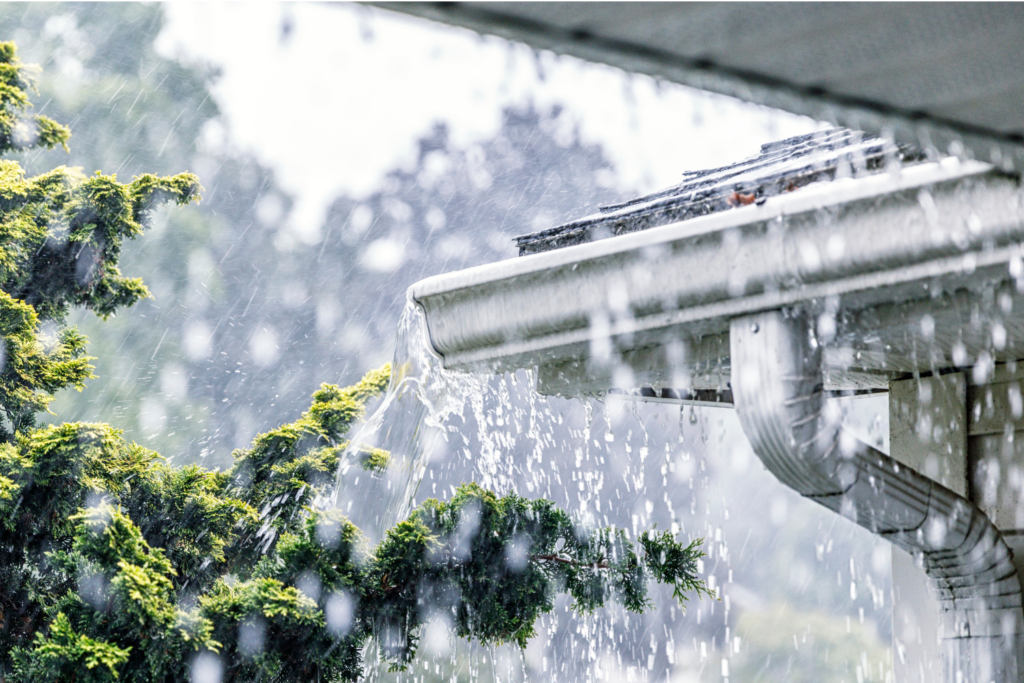
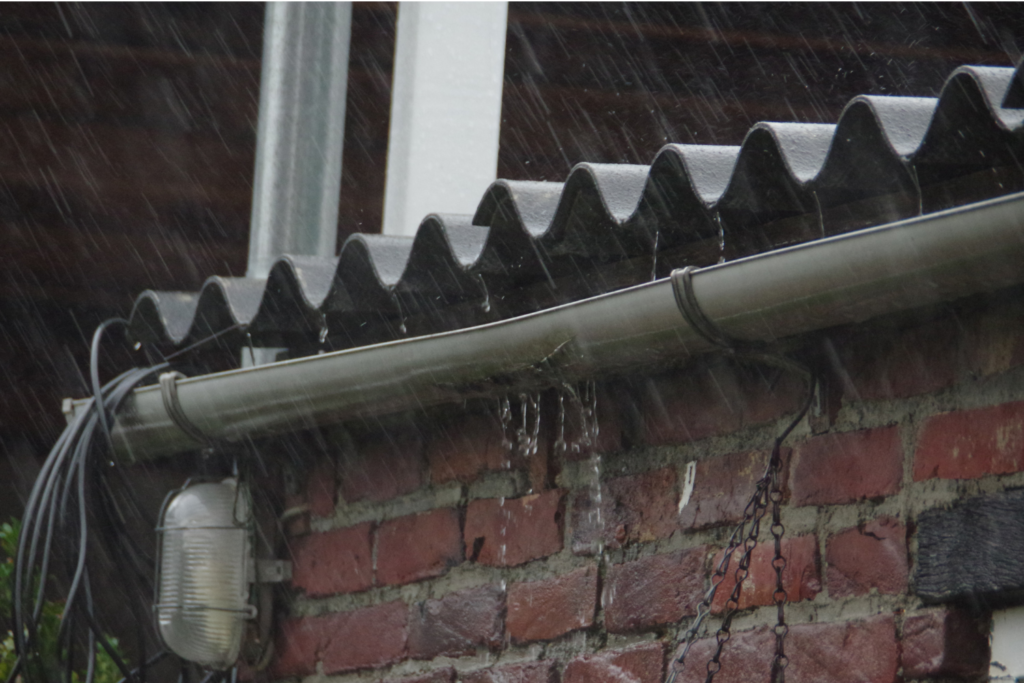
If the roof profile is not measured correctly, the gutter slope may be insufficient for the lower angles involved. Water pools instead of flowing, leading to overflow exactly where it should not occur.
Fascia Damage From Mounting
Over-tightening screws into thin fascia material crushes or cracks the surface, creating water entry points and weakening the mounting surface for future repairs.
What a Proper Mobile Home Gutter System Looks Like
A well-designed system for manufactured housing accounts for these differences from the beginning.
Correct Hanger Selection and Spacing
Hangers designed for lighter structures distribute weight more effectively. Closer spacing reduces the load on each individual mounting point, preventing the pull-through that causes failure.
Custom Slope Calculation
The lower roof profile means the gutter must be positioned and angled specifically for how water leaves that particular roof edge. This is not a standard calculation. It requires on-site measurement and adjustment.
Appropriate Gutter Size
Mobile homes with larger roof areas still produce significant water volume during Florida storms. Undersized gutters overflow quickly. The 6-inch seamless gutter systems designed for Florida rainfall handle the volume these roofs produce, especially during the intense summer storms common in our area.
The Consequences of No Gutters on Mobile Homes
Some mobile home owners choose to skip gutters entirely, assuming the home does not need them. In Central Florida, this decision creates several problems.
Skirting and Foundation Damage
Water falling directly off the roof edge saturates the soil around the home’s perimeter. This erodes ground support, damages skirting, and can undermine the piers or blocks the home rests on.
Entrance and Walkway Flooding
Without gutters directing water to downspouts, every entrance and walkway receives a waterfall during rain. This makes entering and exiting the home unpleasant and dangerous.
Siding and Window Deterioration
Water cascading down exterior walls accelerates deterioration of vinyl siding, window seals, and door frames. The concentrated flow at the drip line is far more damaging than general rain exposure.
Maintenance Matters More on Mobile Homes
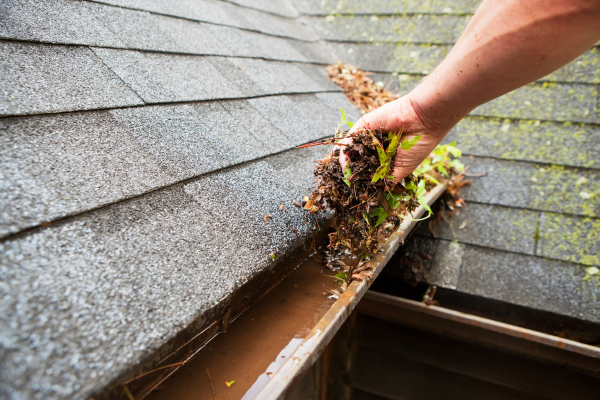
Because the mounting surfaces are lighter and less forgiving, maintenance on mobile home gutters is especially important. Extra weight from debris-filled gutters puts more stress on thinner fascia, and overflow from clogged systems damages the same vulnerable areas faster.
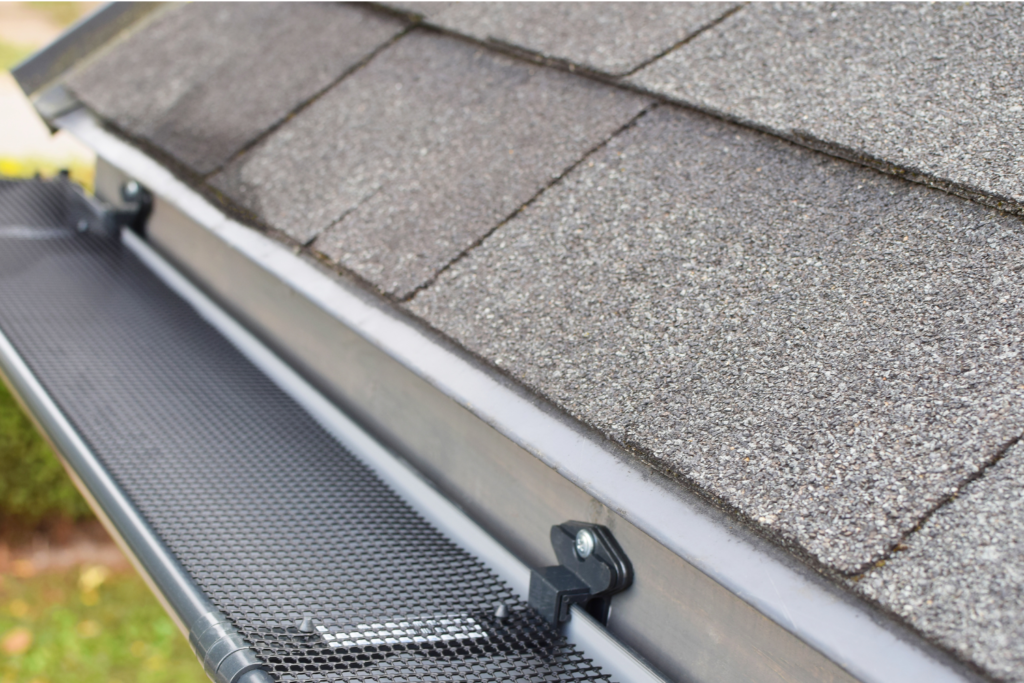
Regular cleaning and leaf guard installation reduce this stress significantly. A system that flows freely protects the fascia, skirting, and foundation without adding the damaging weight that debris creates.
Protect Your Home’s Value and Comfort
Mobile and manufactured homes represent a real investment, and they deserve the same thoughtful exterior protection as any other home. A gutter system designed specifically for how your home is built provides drainage that works correctly, lasts longer, and does not damage the mounting surfaces it attaches to.
If your mobile home currently has failing gutters, no gutters, or a system that overflows regularly, understanding why standard approaches fall short is the first step toward finding a solution that actually works for your specific home.