
How Gutter Overflow Silently Destroys Florida Landscaping and Foundation Soil
Florida homeowners invest time and money in landscaping that enhances their property’s appearance and value. Yet one of the most common threats to that investment operates quietly overhead. Gutter overflow sends water cascading off the roofline in concentrated streams that land directly on soil, plants, and foundation areas below.
Over time, that overflow carves trenches, drowns root systems, erodes topsoil, and saturates the ground near the foundation. The damage is gradual and easy to dismiss until it becomes expensive. Understanding the connection between gutter performance and ground-level health helps homeowners protect both their landscaping and their structural investment.
What Happens When Water Falls Uncontrolled
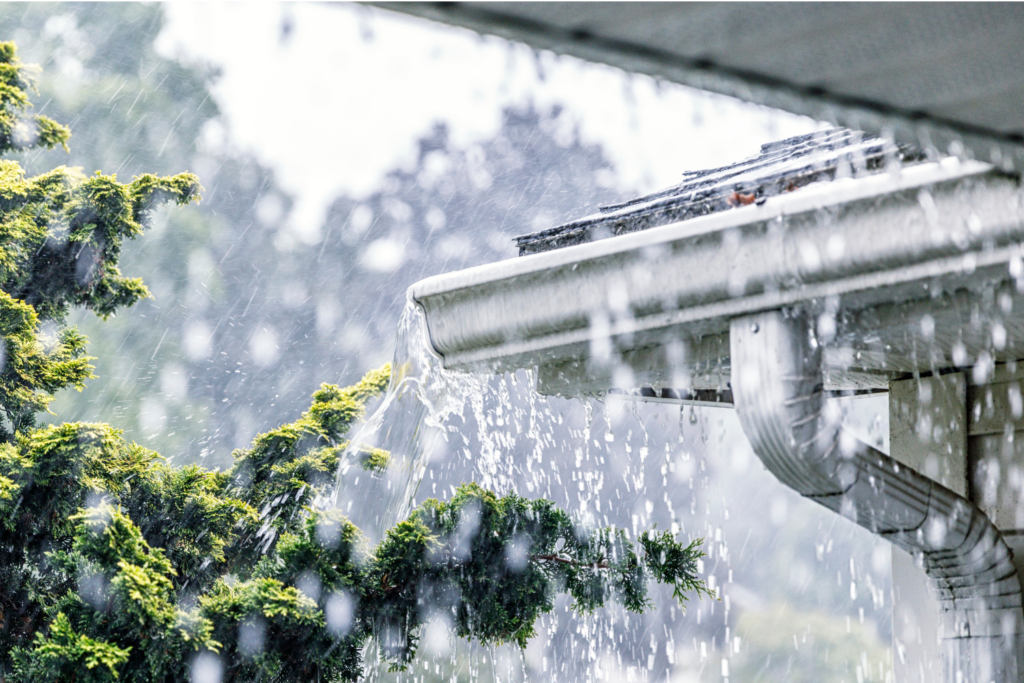
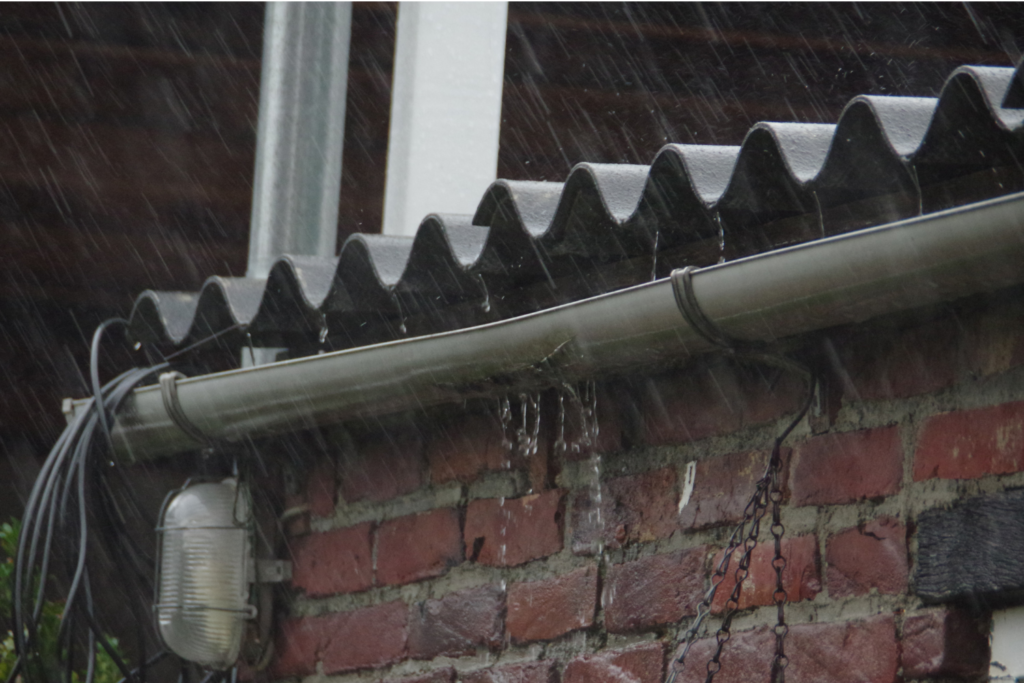
Properly functioning gutters collect roof runoff and channel it through downspouts to designated drainage areas away from the home. When gutters overflow, that system fails, and water falls directly off the roof edge or over the gutter lip.
Concentrated Impact Erosion
Water falling from roof height hits the ground with significant force. That force displaces soil, creating channels and trenches along the drip line of the roof. Each storm deepens those channels, eventually exposing roots and undermining plants.
Soil Saturation Near the Foundation
When overflow occurs close to the house, the soil surrounding the foundation becomes saturated. Florida’s sandy soils drain quickly under normal conditions, but repeated saturation from overflow can compromise soil stability and allow settling or shifting.
Plant Root Drowning
Shrubs, flowers, and groundcovers planted along the foundation line are especially vulnerable. Repeated flooding from overflow drowns roots, promotes fungal disease, and kills plants that would otherwise thrive in Florida’s climate.
The Foundation Risk Most Homeowners Overlook
Landscaping damage is visible and frustrating. Foundation damage is hidden and far more expensive.
Soil Washout and Settling
When soil erodes from around and beneath the foundation, the slab loses uniform support. Over time, this creates uneven settling that cracks the slab, shifts walls, and damages door and window frames.
Hydrostatic Pressure
Saturated soil presses against foundation walls with increasing force. In extreme cases, this pressure can cause cracking and water intrusion into crawl spaces or garage slabs.
Stucco and Siding Damage
Water splashing from the ground back onto the lower walls of the home damages stucco, siding, and paint. This creates moisture pathways into the wall cavity that can lead to mold and rot.
Why Overflow Happens Even With Clean Gutters
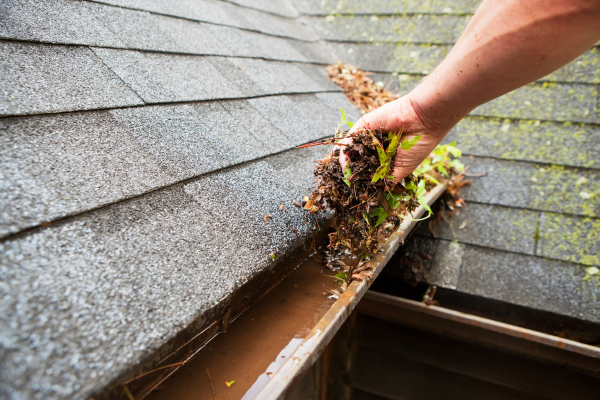
Many homeowners assume that if their gutters are clean, they should not overflow. But debris is only one cause of overflow.
Improper Slope
As discussed in proper gutter design, a pitch that is too flat or uneven causes standing water and overflow even in clean gutters.
Insufficient Downspouts
A long gutter run with too few downspouts cannot drain fast enough during heavy rain. The gutter fills faster than it empties.
Undersized Gutters for the Roof Area
Large roof areas with steep pitches shed enormous volumes of water. If the gutter system was sized for a different roof configuration, it may be overwhelmed during normal storms.
Damaged or Disconnected Extensions
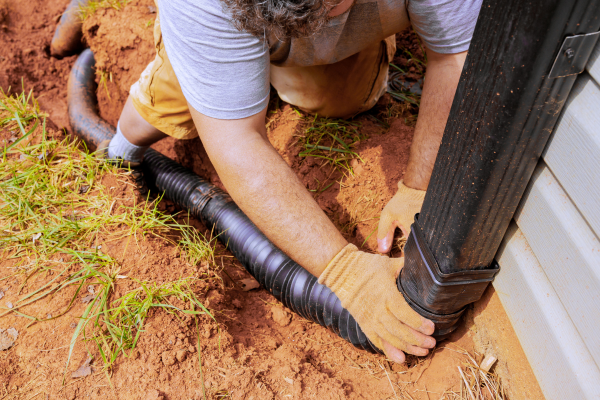
Downspout extensions that are disconnected, buried, or crushed deposit water right at the foundation instead of moving it away. This concentrates all the roof runoff in one dangerous location.
The Compounding Effect of Florida’s Rainy Season
Central Florida’s rainy season delivers storms almost daily for months. Each overflow event adds to the cumulative damage. What looks like minor erosion in June becomes a serious trench by September. Plants that survived one overflow cannot survive thirty.
This compounding effect is what makes gutter performance so important in Florida specifically. A system that barely overflows once a year in a drier climate will overflow constantly here.
Protecting Your Landscaping and Foundation Together
The solution starts at the roofline. When seamless gutters are properly sized, correctly sloped, and equipped with adequate downspouts and extensions, water flows away from the home cleanly. The landscaping below remains undisturbed, and the foundation soil stays stable.
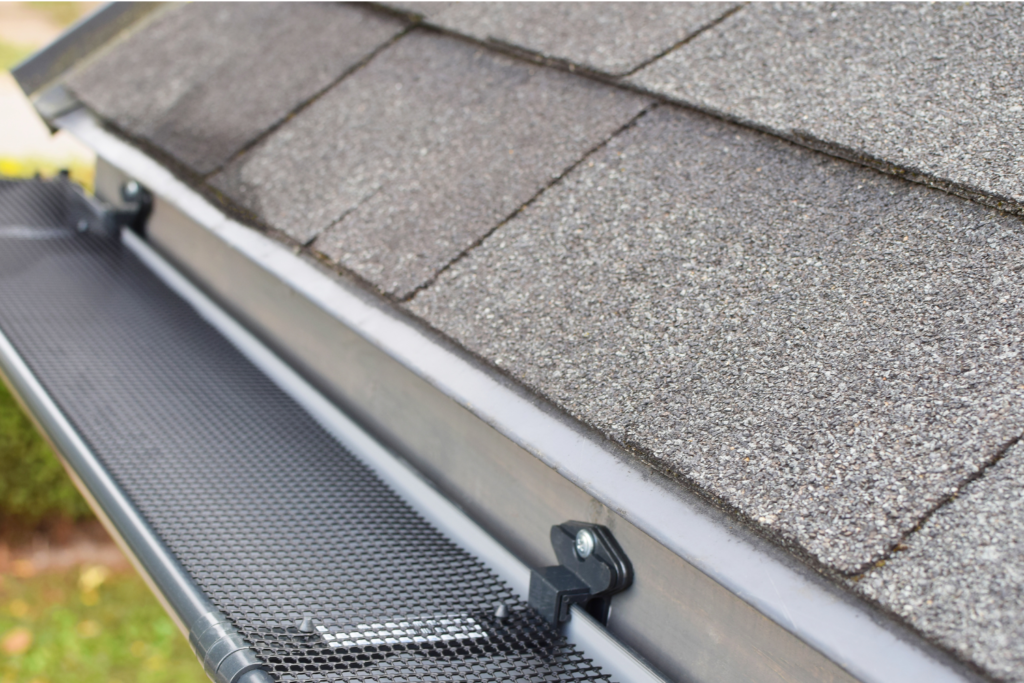
Adding leaf guards reduces the risk of debris-related clogs, and routine inspections catch slope and hanger problems before they cause overflow.
Recognize the Signs Before Damage Compounds
If you notice trenching along the drip line, dying plants near the foundation, soil pulling away from the slab, or staining on lower walls, the gutter system overhead deserves immediate attention. These ground-level symptoms point directly to a roofline problem that will only worsen with each storm.
Addressing the overflow stops the damage cycle and gives landscaping and foundation soil a chance to recover before permanent harm occurs.