
Why Your Fascia Board Fails Before Your Gutters Do and What That Means
When gutters start pulling away from the house, most homeowners blame the gutters. They assume the hangers failed or the gutter material is worn out. But in most cases, the gutters themselves are fine. The fascia board behind them has rotted, softened, or deteriorated to the point where it can no longer hold the weight.
Fascia boards are the unsung workhorses of your roofline. They support the gutters, seal the edge of the roof structure, and present a finished appearance from the ground. When they fail, everything attached to them fails too. Understanding why fascia deteriorates helps homeowners protect one of the most vulnerable and most neglected parts of their home.
What Fascia Boards Actually Do
The fascia is the flat board that runs along the lower edge of your roof, directly behind the gutter. It serves three critical functions.
Structural Support for Gutters
Gutters are mounted directly to the fascia. When those gutters fill with water during a storm, the fascia bears that weight. A standard 6-inch gutter full of water on a 30-foot run holds hundreds of pounds. The fascia must support that load without flexing or pulling away.
Moisture Barrier for the Roof Edge
The fascia covers the exposed ends of the roof rafters. Without it, moisture enters the attic space directly, damaging insulation, creating mold conditions, and inviting pests.
Aesthetic Finish
From the ground, the fascia provides the clean, finished edge that frames the roofline. When it deteriorates, the entire appearance of the home suffers.
Why Fascia Fails in Central Florida
Florida’s climate creates conditions that accelerate fascia deterioration.
Persistent Moisture Exposure
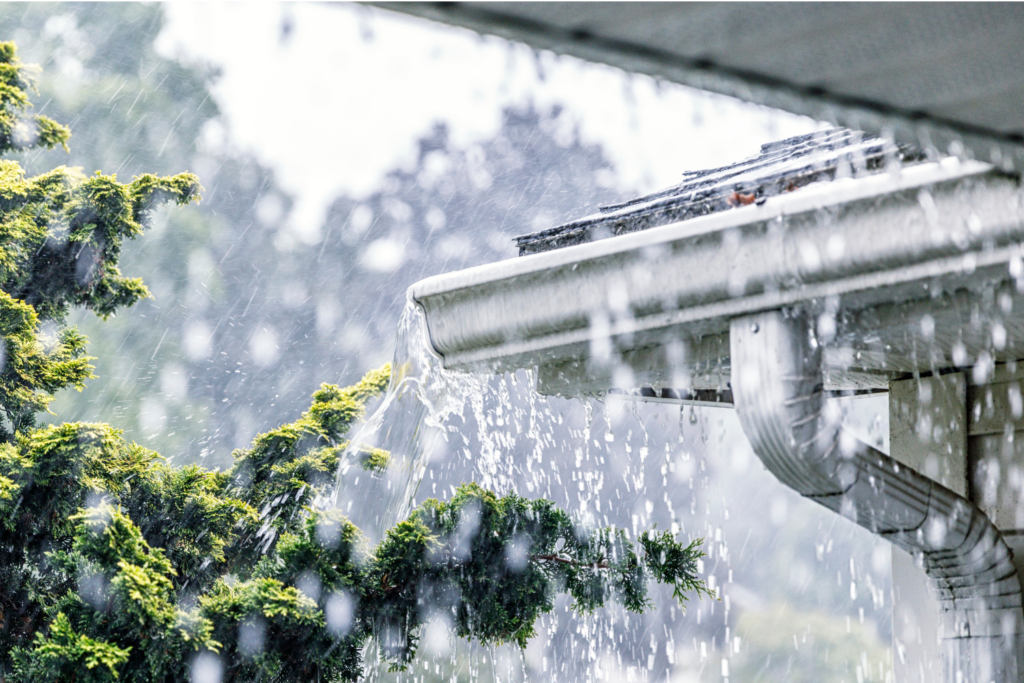
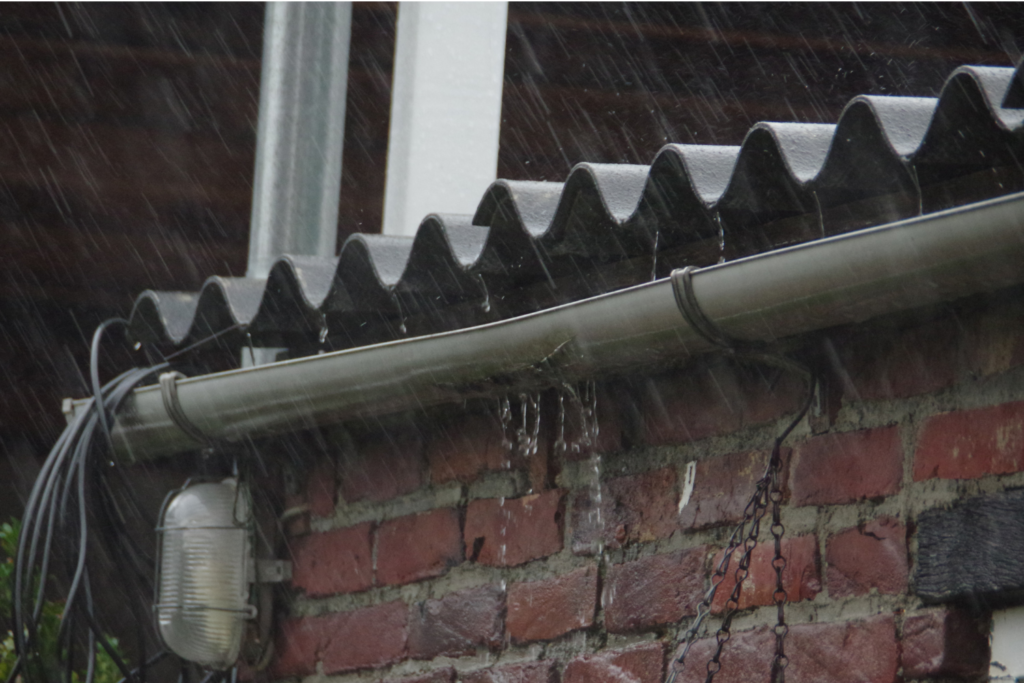
When gutters overflow, leak at joints, or develop slope problems, water runs down the face of the fascia and pools behind the gutter. This constant moisture exposure softens wood fascia over time.
Heat and Humidity Cycles
Florida’s daily cycle of intense heat followed by humid air creates expansion and contraction in wood fascia. Over years, this movement opens cracks and separates paint, allowing moisture to penetrate.
Pest Damage
Carpenter ants, termites, and woodpeckers all target softening fascia. Once the wood begins to deteriorate, pests accelerate the damage significantly.
UV Degradation
Direct sun exposure breaks down paint and sealant on fascia boards. South-facing and west-facing fascia degrade faster because of extended sun exposure throughout the day.
The Warning Signs of Fascia Failure
Fascia problems are often visible from the ground if you know what to look for.
Peeling or Bubbling Paint
Paint failure on the fascia is often the first sign of moisture penetration. The paint lifts as water enters the wood beneath it.
Visible Sagging or Warping
Fascia that sags, bows, or pulls away from the roofline has lost structural integrity. This is a serious sign that the board can no longer support the gutter.
Gutters Pulling Away From the House
When gutters separate from the fascia, the hangers have likely pulled through softened wood. The gutters may be in perfect condition while the fascia behind them has failed.
Staining Below the Roofline
Brown or black staining on the fascia or the soffit below it indicates moisture is trapped and causing damage.
Why Replacing Fascia and Gutters Together Makes Sense
When fascia boards fail, the gutters mounted to them lose their support. Replacing the fascia without addressing the gutters means remounting existing gutters on fresh material, which only works if the gutters are still in good condition.
In many cases, homeowners choose to replace both at the same time. This ensures the new fascia gets a proper seal before new gutters are mounted, and the entire system starts fresh with correct slope, secure hangers, and a solid foundation.
Professional soffit and fascia services evaluate the condition of both the fascia and the attached gutter system, providing recommendations that address the root cause rather than just the visible symptom.
Stop the Damage Before It Spreads
Fascia failure is progressive. What starts as a small soft spot grows into a full section of compromised board, pulling gutters loose and exposing your home to water intrusion, pest entry, and structural decay. Catching it early and replacing damaged sections before the gutter system fails saves significant expense and prevents the cascading damage that neglect creates.
If your gutters are sagging or pulling away from the house, the fascia behind them deserves a closer look. A professional inspection can determine whether the fascia is the real problem and recommend the right solution for your home.