
How Screen Porch Damage Gets Worse Fast in The Villages and What to Do About It
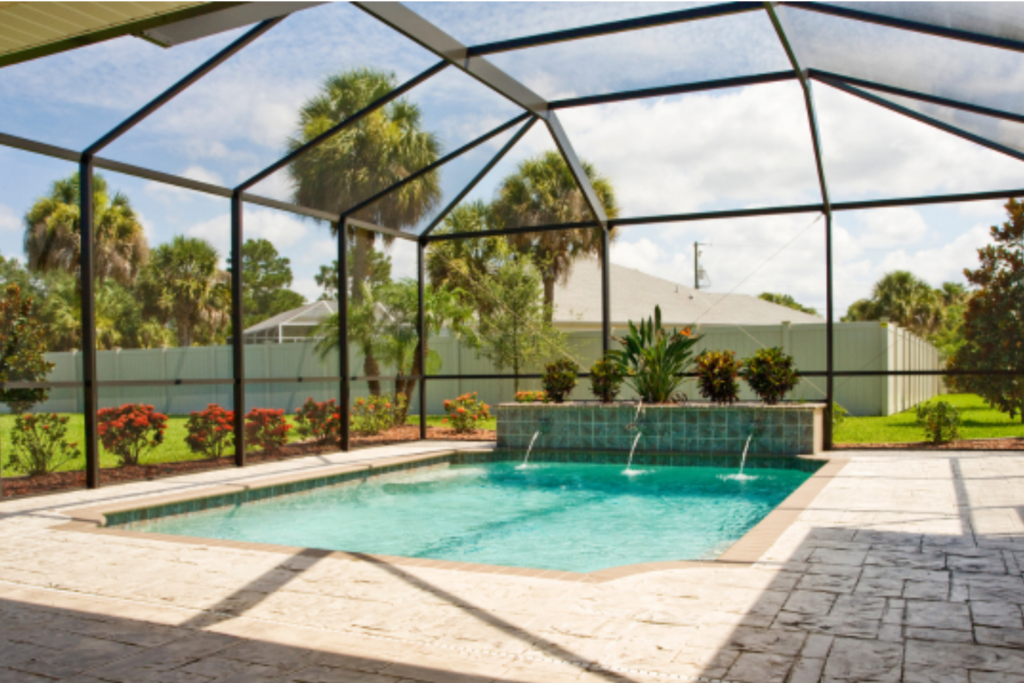
Screen porches and enclosures are among the most valued features of homes in The Villages. They transform outdoor living by blocking insects, reducing debris, and creating comfortable spaces for entertaining, morning coffee, and relaxation. But the same Florida climate that makes these spaces so enjoyable also attacks the materials that make them function.
A single torn screen panel or loose frame joint that seems minor today becomes a major structural issue within months if left unaddressed. Understanding how damage progresses and why professional repair at the first sign of deterioration saves significant money compared to waiting until full replacement becomes the only option.
Why Screen Enclosure Damage Accelerates in Central Florida
UV Degradation Weakens Fiberglass Screen Mesh
Standard fiberglass screen mesh degrades under Florida’s intense UV radiation. Over 5 to 10 years, the material becomes brittle, loses flexibility, and tears easily from wind pressure, falling debris, or even accidental contact. Once one panel weakens and tears, adjacent panels typically fail in sequence during the next wind event.
Aluminum Frame Oxidation
The aluminum framing that supports screen enclosures oxidizes over time in Florida’s humid, salt-influenced air (even inland communities like The Villages experience humidity levels that accelerate oxidation). Oxidation weakens connection points, loosens fasteners, and creates gaps where frame sections meet. These gaps allow the frame to flex excessively in the wind, putting additional stress on screen panels.
Wind Stress Creates Progressive Frame Fatigue
The Villages experiences regular afternoon thunderstorms with wind gusts exceeding 40 mph during the summer months. Each wind event stresses screen enclosure frames at their weakest points. A frame that has lost structural integrity at one or two connection points transfers all wind stress to the remaining connections, accelerating failure throughout the entire structure.
The Most Common Screen Porch Problems in The Villages
Torn or Sagging Screen Panels
The most visible problem homeowners notice. Torn panels allow insects, lizards, and debris into the space, defeating the purpose of the enclosure. Sagging panels indicate screen material has stretched beyond its capacity and can no longer maintain tension within the frame.
Loose or Separated Frame Connections
Screen enclosure frames use specific joining hardware at corners and intersections. When these connections loosen, the frame becomes unstable. You may notice visible gaps at corners, sections that wobble when touched, or screens that pop out of their channels during moderate wind.
Door Hardware and Closer Failure
Screen enclosure doors receive the most daily use and abuse. Worn hinges, failed pneumatic closers, bent frames, and misaligned latches make doors difficult to operate and prevent proper sealing. An enclosure door that does not close completely negates the entire system’s insect protection.
Why Professional Repair Outperforms Waiting for Full Replacement
Early Repair Costs a Fraction of Replacement
Rescreening a few damaged panels or reinforcing weakened frame connections costs significantly less than replacing an entire enclosure structure. Professional repair at the first sign of deterioration preserves the remaining functional components and extends the entire system’s useful life by years.
Damage Spreads When Left Unaddressed
A torn screen allows wind to enter the enclosure and create uplift pressure on adjacent panels from the inside. A loose frame connection transfers its load to neighboring joints, overloading them. What begins as a single repair item becomes a multi-panel, multi-joint project within one storm season if ignored.
Professional Assessment Identifies Hidden Issues
A trained technician evaluates the entire enclosure system, not just the visible damage point. They identify frame connections approaching failure, screen panels nearing the end of life, and structural issues that would cause recurring problems if only the obvious damage is addressed. This comprehensive approach prevents repeated service calls for progressive failures.