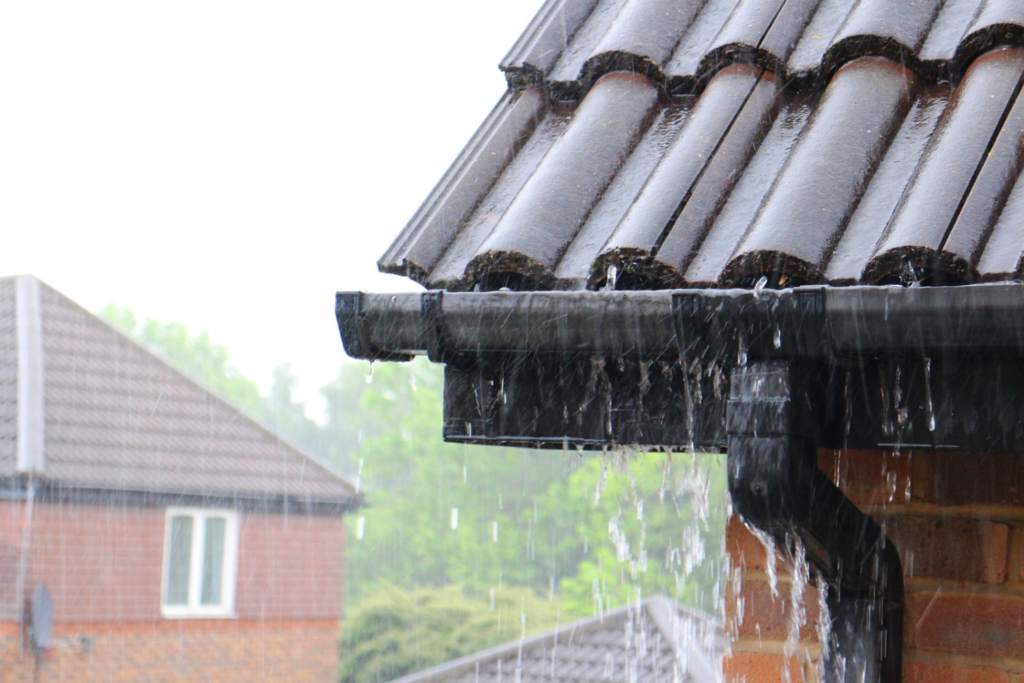
Why Orlando’s Afternoon Storms Test Every Gutter on the Block
Around three in the afternoon, from June through September, the sky over Orlando darkens, the wind shifts, and the rain arrives in sheets. An hour later, the streets are dry. The same storm hits every house on the block, yet one driveway stays clear while the next one drains a waterfall off the garage roof. Here is why the same rain produces such different outcomes, and what separates the gutters that pass the test from the ones that fail it.
One Storm, Two Houses, Two Very Different Outcomes
Every house on an Orlando street receives the same sky. The difference shows up in the details of what sits at the edge of each roof.
The Daily Downpour Orlando Homeowners Can Set a Watch For
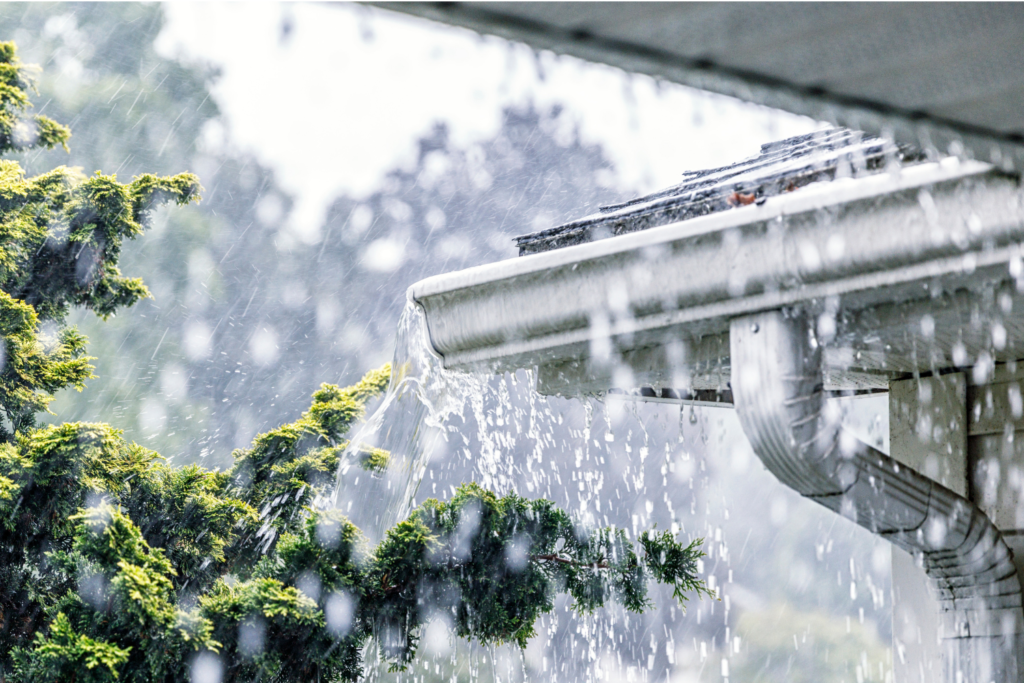
Orlando’s summer storms run on a rhythm residents learn within one season. Heat builds through the morning, clouds stack up by early afternoon, and the downpour lands mid to late day, often dropping an inch of rain in twenty minutes. Meteorologists design Central Florida drainage around intensities near eight inches per hour. A gutter that handles an ordinary shower fine can fall completely behind a storm like that.
Why the House Next Door Stayed Dry
The dry house owes nothing to luck. Its gutter runs match the roof they serve, the slope carries water to the downspouts instead of letting it pool, the downspouts drain fast enough to keep up, and the seams do not leak under pressure. None of that shows from the street on a sunny day. All of it shows at 3:40 on a July afternoon.
Where a Gutter System Falls Behind the Rain
Capacity is math, not maintenance. When a system falls behind, it falls behind for reasons a cleaning visit cannot fix.
Runs Too Small for the Roof They Serve
Standard five-inch gutters overflow fast in a Florida downpour, and many Orlando homes carry them because they came with the house. A large roof plane, and especially a roof valley that concentrates two slopes into one stream, can push more water at a single run than a five-inch trough ever holds. Even a spotless gutter overflows in that situation. The water simply arrives faster than the trough drains.
Slope That Lets Water Sit Instead of Run
A gutter needs a steady fall toward each downspout, roughly a quarter inch of drop every ten feet. Without it, water sits in the run, adds weight, and spills over the front edge long before the downspout does anything. A flat run also overshoots: in a hard downpour, water shooting off the roof edge can leap straight past a gutter that sits level or pitched the wrong way. Correct gutter slope turns the same hardware into a system that drains.
Downspouts That Cannot Keep Up With the Flow
The trough only holds what the downspouts remove. A six-inch gutter needs a 3-by-4 downspout to drain properly, and a long run served by one small outlet backs up no matter how well the rest performs. Downspout extensions finish the job by moving the discharge well away from the foundation, so the water that leaves the roof also leaves the corner of the house.
The Joints and Seams That Show Their Age First
Storms find the weakest point on a roofline and return to it every time. On most Orlando homes, that point is a seam.
Sectional Seams Under Pressure From Every Storm
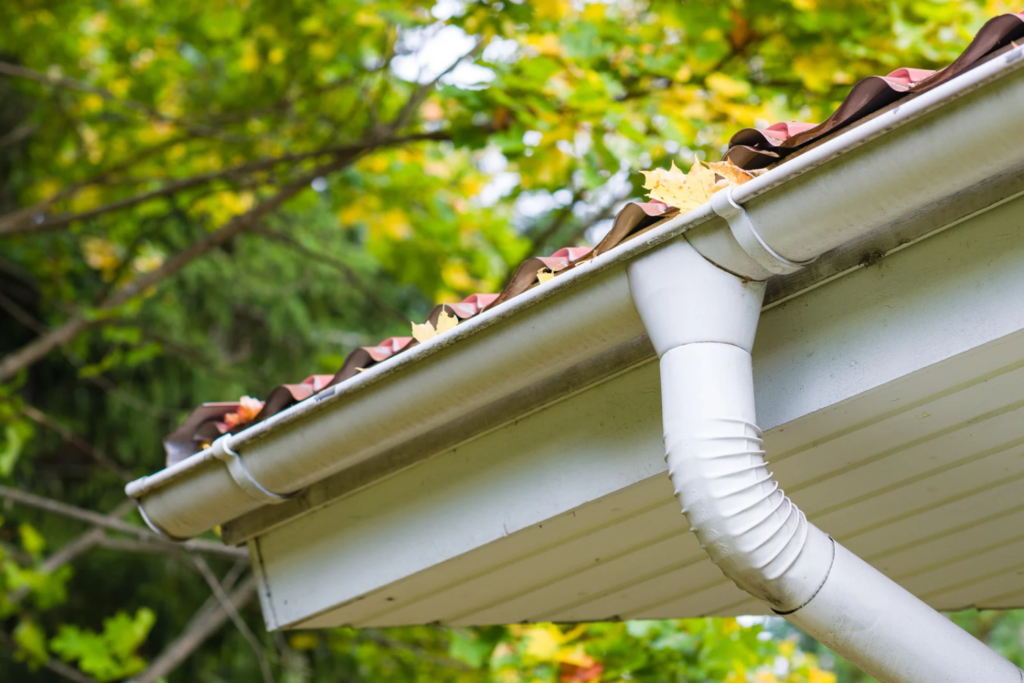
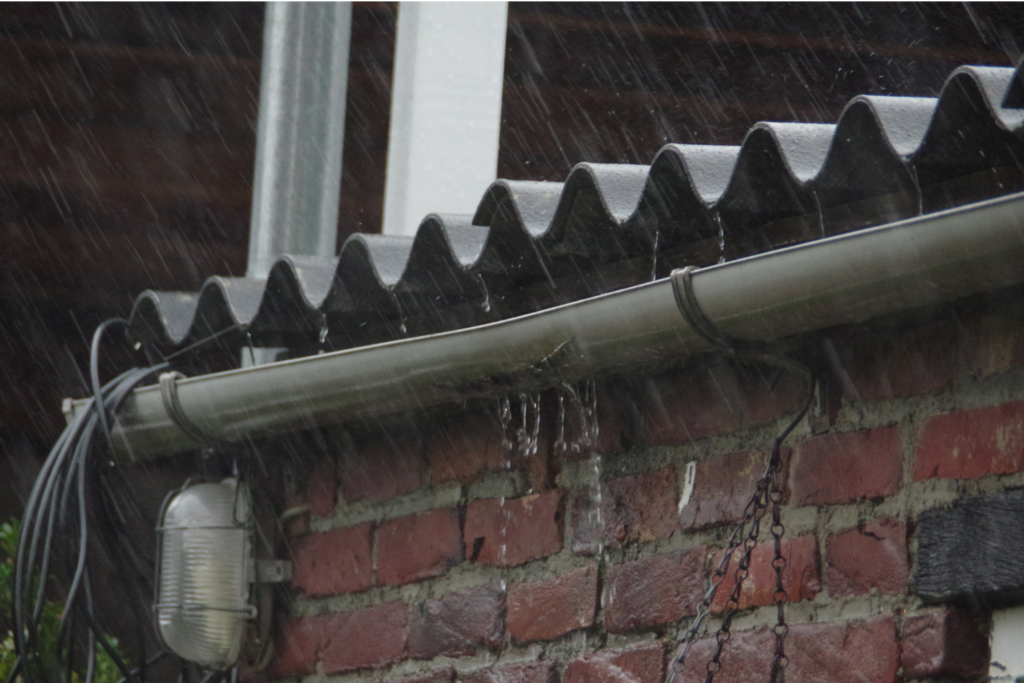
Sectional gutters join in pieces, and every joint is a small dam waiting to form. Debris catches at the seam, water stacks behind it, and the sealant under the joint takes pressure it never held before. The seam weeps first, then drips, then leaks with every rain. It is the same pattern behind the gutter leaks that return to Lady Lake homes each rainy season, and an Orlando afternoon storm accelerates the timeline.
The Fascia Damage That Follows the Overflow
Overflow rarely stays outside. Water that shoots past the gutter or leaks through a seam runs down the fascia board, and repeated soakings soften the wood until the hangers grip nothing solid. That is how gutter overflow destroys more than landscaping, and why fascia board failure undoes a gutter system from the inside. A crew that finds soft wood replaces the soffit and fascia together with the gutters, so the new run attaches to something that holds.
What a Storm-Ready System Looks Like
The houses that pass every afternoon test share the same short list of features, and none of them involve exotic hardware.
Seamless Runs Sized for a Florida Roof
A seamless gutter forms as one continuous piece per run, sized to the roof area it serves. No seams means no catch points, and correct sizing means the trough holds the burst a valley delivers instead of shedding it over the edge.
Downspouts Matched and Routed Away From the House
The downspouts match the runs: wide outlets, smooth elbows, and enough of them that no single one carries an entire roof. Routing carries the discharge past the sandy soil near the foundation, so the corner that floods every July finally stays dry.
Guards That Keep the Channel Clear Between Storms
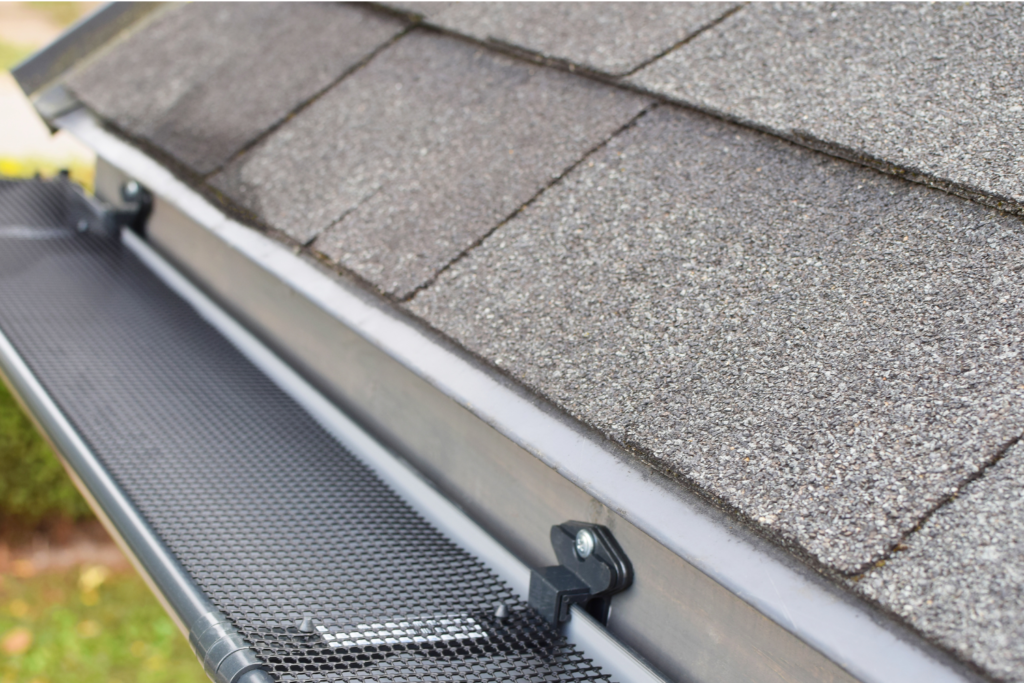
Afternoon storms arrive daily, which leaves no window for debris to quietly build between rains. Leaf guards keep the channel clear so each storm finds an open path, and the system performs the same in September as it did in June.
A Block Where Every Gutter Passes the Test
The same storm hits every house, but age, materials, and the details of the original install decide the outcome house by house. A fifteen-year-old sectional system with one small downspout never stood a chance against a July afternoon, while a seamless run with matched drainage barely breaks stride. A professional read of the roofline covers all of it: run size, slope, downspout count and routing, seam condition, and the fascia behind everything. Orlando homeowners who schedule that read in the quiet season fix the weak points before the afternoon storms return to test the whole block again.